

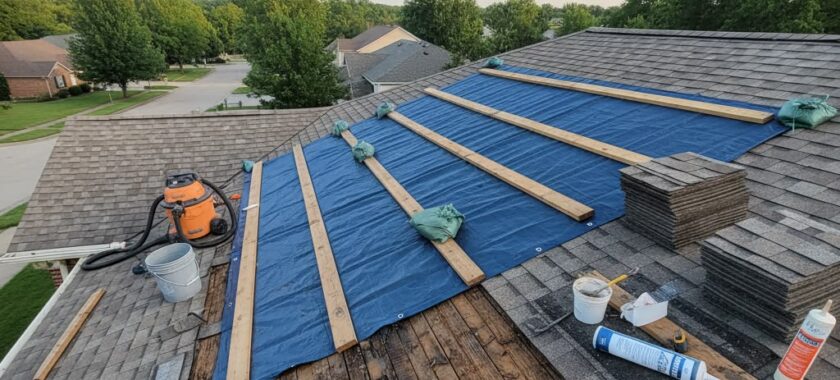
Introduction
Water stains on ceilings, damp attic insulation, peeling paint, and mysterious leaks after heavy rain often point to one hidden issue — damaged roof flashing. Many Vancouver homeowners focus only on shingles when dealing with leaks, but roof flashing is one of the most important parts of any roofing system.
Because Vancouver experiences heavy rainfall, moisture, wind, and seasonal storms throughout the year, flashing problems can quickly turn into expensive structural damage if ignored.
Understanding the signs of flashing failure early can help homeowners avoid costly roof replacements, interior water damage, mold growth, and insulation issues.
In this guide, you will learn:
- What is roof flashing
- Common roof flashing problems in Vancouver
- Signs your flashing is failing
- Repair costs
- Maintenance tips
- When to hire professional roofing contractors
What Is Roof Flashing?
Roof flashing is a thin material, usually made from aluminum, galvanized steel, or copper, installed around vulnerable roof areas to direct water away from openings and joints.
Flashing is commonly installed around:
- Chimneys
- Skylights
- Roof vents
- Valleys
- Dormers
- Roof edges
- Wall intersections
Without proper flashing, rainwater can seep underneath shingles and slowly damage the roof deck, attic, insulation, drywall, and even the home’s foundation.
In Vancouver’s wet climate, roof flashing plays a critical role in protecting homes from long-term moisture damage.
Why Roof Flashing Problems Are Common in Vancouver
Vancouver weather creates ideal conditions for flashing deterioration.
Common environmental causes include:
- Heavy rainfall
- Constant moisture exposure
- Freeze-thaw cycles
- High winds
- Moss growth
- Debris buildup
- Salt air corrosion near coastal areas
Over time, flashing materials can crack, rust, loosen, or separate from roofing materials.
Even a tiny gap in flashing can allow water to enter your home.
This is why roof flashing repair Vancouver services are frequently needed in older homes and properties exposed to harsh weather conditions.
Types of Roof Flashing
Understanding the different flashing types helps homeowners identify potential problem areas.
Step Flashing
Step flashing is installed where the roof meets vertical walls.
It prevents water from entering sidewall joints and is commonly found around dormers and roof-to-wall intersections.
Chimney Flashing
Chimney flashing seals the area around the chimney base.
Because chimneys expand and contract during temperature changes, flashing around them often develops cracks over time.
Chimney flashing repair services in Vancouver are extremely common after heavy winter rain.
Valley Flashing
Roof valleys channel large amounts of rainwater.
Damaged valley flashing can lead to severe leaks during storms.
Skylight Flashing
Skylights require specialized flashing systems to prevent water intrusion.
Improper skylight flashing installation is one of the biggest causes of recurring roof leaks in Vancouver homes.
Vent Pipe Flashing
Vent flashing seals plumbing vents and exhaust pipes.
Rubber seals around vent pipes can dry out and crack with age.
Hidden Signs of Roof Flashing Failure
Roof flashing damage is not always obvious.
Many leaks remain hidden for months before homeowners notice serious damage.
Below are the most common warning signs.
Water Stains on Ceilings
Brown or yellow ceiling stains are often caused by leaking roof flashing repair issues.
Water may travel through attic spaces before appearing inside the home.
Mold or Mildew Growth
Excess moisture trapped behind walls or inside attics can create mold problems.
If you notice musty smells after rainstorms, flashing damage may be allowing water inside.
Peeling Paint
Moisture intrusion behind walls causes bubbling or peeling paint.
This is especially common near chimneys and skylights.
Dripping Water During Rain
If water drips from ceilings during storms, damaged flashing could be the source.
Many homeowners mistakenly blame shingles when flashing is actually failing.
Rusted Flashing
Visible rust or corrosion is a major warning sign.
Rust weakens flashing materials and creates openings for water penetration.
Loose or Missing Flashing Pieces
Strong winds can loosen flashing sections over time.
Missing flashing exposes vulnerable roof joints directly to rainwater.
Cracked Sealant
Roof sealants eventually dry out and crack.
Once seals fail, water easily enters the roof structure.
Common Roof Flashing Problems Vancouver Homeowners Face
Improper Installation
Poor workmanship is one of the leading causes of flashing leaks.
Incorrectly installed flashing may:
- Lift during windstorms
- Trap water
- Allow leaks behind shingles
Cheap installation shortcuts often lead to expensive repairs later.
Aging Materials
Older flashing systems naturally deteriorate with time.
Metal flashing may:
- Rust
- Warp
- Crack
- Separate from roofing materials
Homes older than 15–20 years are especially vulnerable.
Storm Damage
Heavy windstorms can loosen flashing edges.
Flying debris may also bend or puncture metal flashing.
Ice Damming
During winter, melting snow can refreeze near the roof edges.
This forces water underneath the flashing and shingles.
Moss and Debris Buildup
Moss traps moisture against flashing materials.
Over time, constant moisture exposure accelerates corrosion.
Roof Flashing Repair vs Roof Replacement
Many homeowners panic after discovering leaks and assume they need a full roof replacement.
However, flashing repairs are often enough.
Problem | Repair Needed |
Minor flashing gaps | Flashing repair |
Rusted flashing | Flashing replacement |
Isolated chimney leak | Chimney flashing repair |
Extensive roof rot | Partial roof replacement |
Multiple structural leaks | Full roof replacement |
Professional inspections help determine the actual source of the problem.
Cost of Roof Flashing Repair Vancouver
Repair costs vary depending on:
- Roof size
- Accessibility
- Flashing type
- Severity of damage
- Roofing materials
Average Roof Flashing Repair Costs
Service | Estimated Cost |
Minor flashing repair | $250–$600 |
Chimney flashing repair | $500–$1,200 |
Skylight flashing repair | $400–$1,000 |
Valley flashing replacement | $700–$1,500 |
Full flashing replacement | $2,000+ |
Emergency leak repairs may cost more during severe storms.
Why DIY Flashing Repairs Can Be Risky
Many homeowners attempt temporary repairs using caulking or roof tar.
Unfortunately, DIY repairs often fail because:
- Hidden water damage remains untreated
- Incorrect sealants are used
- Improper installation traps moisture
- Roof safety risks increase
Professional roof flashing repair Vancouver contractors use proper waterproofing systems designed for BC weather conditions.
How Professional Roof Flashing Repair Works
Inspection
Roofers inspect:
- Flashing joints
- Shingles
- Roof decking
- Attic moisture
- Sealants
- Rust damage
Leak Detection
Water intrusion points are identified using moisture detection tools.
Flashing Removal
Damaged flashing sections are carefully removed.
Waterproof Installation
New flashing materials are installed using proper underlayment and sealing techniques.
Final Testing
Roofers test the repaired area to ensure complete waterproof protection.
Best Flashing Materials for Vancouver Homes
Aluminum Flashing
Advantages:
- Affordable
- Lightweight
- Rust resistant
Disadvantages:
- Can bend easily
Steel Flashing
Advantages:
- Strong
- Durable
Disadvantages:
- May rust over time
Copper Flashing
Advantages:
- Extremely durable
- Long lifespan
- Premium appearance
Disadvantages:
- Expensive
How to Prevent Roof Flashing Problems
Preventive maintenance helps homeowners avoid expensive repairs.
Schedule Annual Roof Inspections
Professional inspections identify small flashing problems early.
Remove Moss Regularly
Moss traps moisture and accelerates flashing corrosion.
Clean Gutters
Overflowing gutters force water into flashing joints.
Trim Overhanging Branches
Branches can scrape and damage flashing during storms.
Check Attics After Heavy Rain
Look for:
- Damp insulation
- Water stains
- Mold smells
Early detection prevents major repairs.
Roof Flashing and Skylight Leaks
Skylights are one of the most leak-prone roof features.
Poor skylight flashing often causes:
- Ceiling stains
- Condensation
- Drafts
- Mold
Many homeowners replace skylights unnecessarily when flashing repairs could solve the issue.
Why Skylight Flashing Fails
Skylight flashing can fail for several reasons, especially in areas with constant rain and moisture exposure, like Vancouver.
Poor Installation
Incorrect flashing installation is one of the biggest causes of skylight leaks. If flashing layers are not sealed properly, water can enter beneath shingles and around the skylight frame.
Aging Sealants
Over time, roofing sealants dry out, crack, and lose flexibility. Once seals break, moisture can penetrate vulnerable areas of the roof.
Heavy Rain Exposure
Vancouver receives frequent rainfall throughout the year. Constant moisture exposure slowly weakens flashing materials and waterproof barriers.
Roof Movement
Homes naturally expand and contract due to temperature changes. This movement can loosen flashing around skylights over time.
Moss and Debris Buildup
Leaves, dirt, and moss trap moisture around skylights. Trapped water accelerates flashing deterioration and increases leak risks.
Improper Roof Slope
If skylights are installed on roofs with poor drainage, water may pool around flashing areas and eventually seep inside.
Common Skylight Leak Warning Signs
Skylight flashing issues are one of the most common causes of roof leaks in Vancouver homes, and homeowners often miss the early warning symptoms, such as skylight leak signs (Why Skylights Leak in Vancouver Homes (And How to Prevent Costly Water Damage) which can help detect problems before serious water damage occurs. Recognizing leak symptoms early can help homeowners prevent major structural damage.
Water Stains Around Skylights
Brown or yellow ceiling stains near skylights are one of the most obvious warning signs of flashing failure.
Condensation Between Glass Panels
Fogging or condensation inside the skylight glass may indicate moisture intrusion or seal failure.
Dripping Water During Rainstorms
If water drips from the skylight area during heavy rain, damaged flashing could be allowing water to enter the roof structure.
Mold or Musty Smells
Persistent moisture around skylights can lead to mold growth and unpleasant odors inside the home.
Peeling Paint or Bubbling Drywall
Moisture trapped around skylight openings often causes paint damage and swelling of the drywall.
Drafts Around the Skylight
Improperly sealed flashing may allow outside air to enter the home, creating noticeable drafts.
Wet Attic Insulation
Leaks around skylights sometimes travel into attic spaces before becoming visible indoors.
Regular roof inspections and timely roof flashing repair services in Vancouver can help homeowners detect skylight flashing issues before they become expensive repairs.
How Vancouver Weather Impacts Roof Flashing
The Lower Mainland climate is especially harsh on roofing systems.
Continuous exposure to rain weakens flashing over time.
Winter storms may:
- Loosen flashing
- Crack sealants
- Cause expansion damage
This is why regular roof maintenance is essential in Vancouver.
Maintenance Checklist for Homeowners
Every Spring
- Inspect flashing visually
- Remove debris
- Check gutters
Every Fall
- Inspect after storms
- Look for rust
- Check attic moisture
After Heavy Rain
- Inspect ceilings for stains
- Check around skylights and chimneys
Choosing the Right Roofing Contractor
Not all roofing companies specialize in flashing repair.
Look for contractors who:
- Have local Vancouver experience
- Understand BC weather conditions
- Offer inspections
- Use quality flashing materials
- Provide warranties
- Have positive customer reviews
Frequently Ask Question
Do You Specialize in Roof Flashing Repair?
Yes, professional roofing contractors handle flashing repairs around chimneys, skylights, vents, and roof valleys.
What Flashing Materials Do You Recommend?
Aluminum and galvanized steel are commonly recommended for Vancouver’s rainy climate.
Is the Repair Covered by Warranty?
Most professional roofing companies offer warranties on materials and workmanship.
Will You Inspect the Surrounding Roof Areas?
Yes, nearby shingles, gutters, skylights, and roof structures should also be inspected.
How Long Will Repairs Last?
Quality flashing repairs can last 15–25 years with proper maintenance.
Final Thoughts
Roof flashing may seem like a small roofing component, but it plays a major role in protecting Vancouver homes from water damage.
Because Vancouver experiences heavy rain and moisture throughout the year, flashing systems must remain in excellent condition to prevent hidden leaks.
Homeowners should watch for early warning signs such as:
- ceiling stains
- peeling paint
- mold smells
- rusted flashing
- attic moisture
Regular inspections and timely roof flashing repair Vancouver services can prevent expensive structural damage and extend the life of your roofing system.
If you suspect hidden roof leaks, acting early can save thousands of dollars in future repairs.
Call To Action
Don’t ignore small leak warning signs. Damaged roof flashing can quickly lead to costly water damage, mold growth, and structural problems if left untreated. Whether you need chimney flashing repair, skylight leak repair, or a full roof inspection, professional help can save you thousands in future repairs.
Contact Tymey Roofing today for reliable roof flashing repair in Vancouver.
📞 Phone: +1 (604) 876-5101
📧 Email: info@tymeyroofing.com
🌐 Website: https://tymeyroofing.com
Fast response • Professional inspection • Long-lasting repair solutions
Leave a Reply