

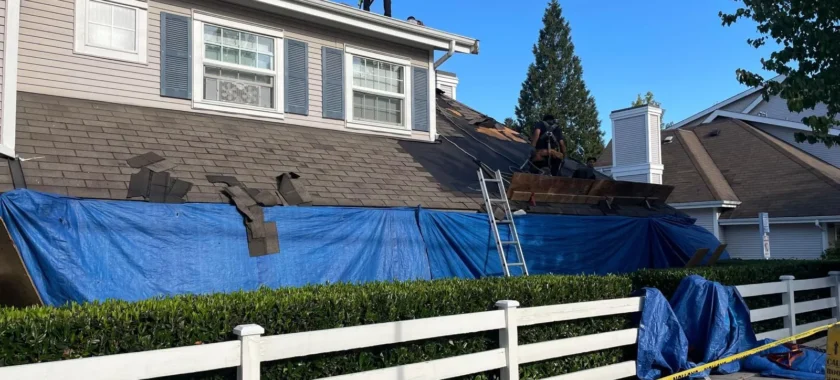
Introduction
Your roof quietly protects your home every day, but how often do you think about its condition? In Vancouver, where heavy rain, moisture, wind, and changing weather are part of everyday life, regular roof inspections are essential—not optional.
Many homeowners don’t realize there’s a problem until they notice a leak inside their home. Unfortunately, by that point, water may have already damaged the roof deck, insulation, ceilings, or even the home’s structure. A simple inspection could have identified those issues much earlier and saved thousands of dollars in repair costs.
So, what does a roof inspection include in Vancouver? A professional inspection is much more than someone climbing onto your roof and looking around. Experienced roofing contractors perform a detailed assessment of every component that protects your home—from shingles and flashing to gutters, attic ventilation, and structural integrity.
Whether you own an older home in Vancouver or recently purchased a new property, understanding what inspectors look for helps you make smarter maintenance decisions and avoid expensive surprises.
In this complete guide, you’ll learn:
- What happens during a professional roof inspection
- Why Vancouver’s climate makes inspections more important
- Common roofing problems inspectors discover
- Inspection costs and what affects pricing
- Maintenance tips to extend your roof’s lifespan
- When you should schedule an inspection
Let’s begin by understanding why roof inspections matter so much in Vancouver.
Why Roof Inspections Matter in Vancouver
Vancouver’s climate is beautiful, but it’s tough on roofs.
Unlike regions that experience mostly dry weather, Vancouver receives frequent rainfall throughout the year. Continuous exposure to moisture accelerates the aging of roofing materials, encourages moss growth, and increases the risk of hidden leaks.
Even a roof that appears perfectly fine from the ground may have small problems developing underneath the surface.
Some common weather-related issues include:
- Cracked or curling shingles
- Loose flashing around chimneys
- Water penetration
- Moss and algae growth
- Clogged gutters
- Ventilation problems
- Moisture trapped inside the attic
Without regular inspections, these small issues can gradually lead to major roofing repairs.
For this reason, many roofing professionals recommend scheduling a roof inspection Vancouver homeowners can rely on at least once every year, especially before and after the rainy season.
What Does a Professional Roof Inspection Include?
If you’ve never booked a roof inspection before, you might wonder what actually happens during the visit.
A professional roof inspection follows a systematic process designed to evaluate every important roofing component—not just visible shingles.
Here’s what experienced inspectors typically examine.
Exterior Roof Surface Inspection
The first step involves carefully inspecting the roof’s outer surface.
This includes checking:
- Missing shingles
- Broken shingles
- Curled shingles
- Lifted shingles
- Blistering
- Granule loss
- Impact damage
- Uneven roof sections
Asphalt shingles naturally lose protective granules over time. When too many granules disappear, shingles become vulnerable to UV damage and moisture penetration.
Inspectors also look for signs of previous repairs that may not have been completed properly.
For example:
A homeowner may replace a few damaged shingles after a windstorm but overlook the damaged underlayment beneath them. While the roof appears repaired, water may continue entering beneath the shingles.
This is one reason professional inspections are far more effective than simple visual checks from the ground.
Flashing Inspection
Flashing is one of the most overlooked roofing components.
These thin metal pieces seal vulnerable areas such as:
- Chimneys
- Skylights
- Roof valleys
- Plumbing vents
- Dormers
- Wall connections
Even high-quality roofing materials can fail if flashing becomes loose or corroded.
During the inspection, contractors check for:
- Rust
- Loose fasteners
- Cracked sealant
- Bent flashing
- Open gaps
- Water stains
Since flashing protects the most leak-prone areas of your roof, even small defects require immediate attention.
Roof Valleys
Roof valleys collect large amounts of rainwater.
In Vancouver, where rainfall is frequent, valleys experience more water flow than nearly any other part of the roof.
Inspectors look for:
- Debris buildup
- Worn shingles
- Cracked sealant
- Improper installation
- Water channels
- Soft decking underneath
A damaged valley often becomes the starting point for serious leaks.
Roof Penetrations
Anything that passes through your roof requires special sealing.
Examples include:
- Plumbing vents
- Exhaust vents
- HVAC pipes
- Satellite mounts
- Solar panel brackets
Each penetration creates an opening that can eventually allow water inside.
During a roofing inspection checklist, inspectors verify:
- Rubber boots remain flexible
- Sealants haven’t cracked
- Fasteners remain secure
- Water isn’t entering around the openings
Small failures around roof penetrations frequently cause leaks homeowners don’t notice until interior ceilings become stained.
Chimney Inspection
If your home has a chimney, it receives special attention during the inspection.
Inspectors evaluate:
- Brick condition
- Mortar joints
- Chimney cap
- Flashing
- Crown condition
- Water penetration
- Structural movement
Because chimneys expand and contract with changing temperatures, flashing around them often deteriorates before other roofing materials.
Regular inspections catch these problems early.
Skylight Inspection
Skylights bring natural light into your home, but they also create another potential leak point.
Inspectors examine:
- Flashing
- Glass seals
- Condensation
- Water stains
- Cracked frames
- Drainage systems
Sometimes homeowners assume the skylight itself is leaking.
In reality, deteriorated flashing around the skylight is often the real cause.
A detailed inspection helps identify the exact source before recommending repairs.
Gutters and Drainage System
Your roof doesn’t work alone.
The gutter system plays a major role in protecting your home’s foundation and roofing materials.
Inspectors check:
- Gutter alignment
- Blockages
- Standing water
- Downspout flow
- Rust
- Loose brackets
- Overflow signs
When gutters clog with leaves or moss, rainwater backs up beneath shingles, increasing the likelihood of leaks.
Proper drainage significantly extends roof life.
Attic Inspection
A roof inspection doesn’t stop at the exterior. One of the most valuable parts of a professional roof inspection is checking the attic, where hidden issues often appear before they become visible inside your living space.
Many roofing problems begin beneath the roof surface. Water may seep through small gaps, soak the insulation, and create mold long before you notice a stain on your ceiling.
During an attic inspection, roofing professionals typically check:
- Water stains on rafters and roof decking
- Damp or compressed insulation
- Mold or mildew growth
- Signs of poor ventilation
- Condensation buildup
- Daylight coming through the roof
- Pest activity
Example
Imagine a small crack develops around a roof vent during Vancouver’s rainy season. Rainwater slowly enters the attic but doesn’t immediately reach the ceiling. Over several months, the insulation becomes saturated, mold begins to grow, and the wooden roof deck starts to rot.
Without an attic inspection, this damage could remain hidden until the repair becomes significantly more expensive.
Roof Structure Inspection
A roof must be structurally sound to protect your home. During a roof inspection Vancouver homeowners schedule, contractors also evaluate the overall structural condition of the roofing system.
They inspect for:
- Sagging roof lines
- Uneven roof surfaces
- Damaged rafters
- Weak roof decking
- Signs of wood rot
- Structural movement
- Excessive roof load
Structural problems may develop due to years of moisture exposure, aging materials, or improper installation.
If these issues are ignored, they can eventually compromise the entire roofing system.
Roof Ventilation Inspection
Proper ventilation plays a critical role in extending the lifespan of your roof.
Without adequate airflow, warm, moist air becomes trapped inside the attic. Over time, this moisture can lead to:
- Mold growth
- Wood rot
- Damaged insulation
- Ice dam formation during winter
- Higher energy bills
- Premature roof aging
During the inspection, professionals check:
- Ridge vents
- Soffit vents
- Gable vents
- Air circulation
- Moisture levels
- Vent blockages
Good ventilation helps keep roofing materials dry and improves your home’s overall energy efficiency.
Common Problems Found During Roof Inspections
Every roof ages differently, but inspectors frequently discover similar issues throughout Vancouver homes.
Some of the most common problems include:
Roofing Problem | Potential Risk |
Missing shingles | Water leaks |
Moss growth | Moisture retention |
Rusted flashing | Interior water damage |
Damaged vents | Roof leaks |
Clogged gutters | Water overflow |
Soft roof decking | Structural deterioration |
Cracked sealant | Moisture intrusion |
Poor ventilation | Mold and higher energy costs |
Many of these issues are inexpensive to fix when detected early.
However, delaying repairs can eventually lead to full roof replacement.
Roof Inspection Checklist
Below is a simplified roofing inspection checklist that most professional contractors follow.
Inspection Area | What Is Checked |
Shingles | Missing, cracked, curling, granule loss |
Flashing | Rust, loose sections, damaged sealant |
Roof Valleys | Water flow, debris, wear |
Chimneys | Flashing, masonry, cap, crown |
Skylights | Seals, flashing, condensation |
Roof Vents | Pipe boots, sealant, damage |
Gutters | Drainage, blockages, alignment |
Attic | Moisture, mold, insulation, leaks |
Roof Structure | Sagging, decking, framing |
Ventilation | Airflow, moisture control |
A complete inspection ensures every component of the roofing system is evaluated rather than focusing only on visible damage.
Roof Inspection Cost in Vancouver
One of the most common questions homeowners ask is, “How much does a roof inspection cost?”
The roof inspection cost Vancouver homeowners pay depends on several factors, including:
- Roof size
- Roof pitch
- Roofing material
- Accessibility
- Number of stories
- Inspection type
Average Roof Inspection Costs
Inspection Type | Estimated Cost (CAD) |
Basic visual inspection | $150–$250 |
Standard professional inspection | $250–$450 |
Drone roof inspection | $300–$500 |
Inspection with detailed report | $350–$600 |
Inspection before buying a home | $300–$700 |
Note: Prices vary depending on the roofing contractor and the complexity of the roof. Some companies may even offer a complimentary inspection if you’re requesting a repair or replacement estimate.
Although paying a few hundred dollars for an inspection may seem unnecessary, it can help identify small issues before they become costly repairs.
DIY Roof Inspection vs. Professional Roof Inspection
Many homeowners perform quick visual checks from the ground, but a DIY inspection has its limitations.
Here’s a comparison:
DIY Inspection | Professional Roof Inspection |
Limited visibility | Full roof evaluation |
May miss hidden leaks | Identifies concealed damage |
No specialized equipment | Uses professional tools and experience |
Cannot safely inspect steep roofs | Trained to inspect all roof types safely |
No written report | Detailed inspection report with recommendations |
Suitable for basic observations | Best for maintenance, repairs, and property purchases |
While it’s helpful to look for obvious signs of damage after a storm, climbing onto the roof yourself can be dangerous and may not reveal underlying problems.
For the most accurate assessment, it’s best to schedule a professional inspection.
When Should You Schedule a Roof Inspection?
Regular inspections help prevent unexpected roofing emergencies.
Consider scheduling an inspection:
- Once every year
- Before Vancouver’s rainy season
- After severe windstorms
- After heavy snowfall
- If your roof is more than 10 years old
- Before buying or selling a home
- When you notice water stains indoors
- If shingles appear damaged or missing
Routine inspections make it easier to plan maintenance and avoid larger repair bills later.
Roof Maintenance Tips After an Inspection
A roof inspection is only the first step. Ongoing maintenance helps protect your investment and extend the life of your roof.
Here are some practical maintenance tips:
- Clean gutters regularly to ensure proper drainage.
- Remove moss and algae before they spread.
- Trim tree branches hanging over the roof.
- Replace damaged shingles promptly.
- Keep roof vents free from obstructions.
- Check attic ventilation periodically.
- Schedule professional inspections every year.
- Address minor repairs before they become major problems.
Consistent maintenance can significantly reduce the likelihood of emergency repairs and help maximize your roof’s lifespan.
Average Roof Inspection Costs
Inspection Type | Estimated Cost (CAD) |
Basic visual inspection | $150–$250 |
Standard professional inspection | $250–$450 |
Drone roof inspection | $300–$500 |
Inspection with detailed report | $350–$600 |
Inspection before buying a home | $300–$700 |
Note: Prices vary depending on the roofing contractor and the complexity of the roof. Some companies may even offer a complimentary inspection if you’re requesting a repair or replacement estimate.
Although paying a few hundred dollars for an inspection may seem unnecessary, it can help identify small issues before they become costly repairs.
DIY Roof Inspection vs. Professional Roof Inspection
Many homeowners perform quick visual checks from the ground, but a DIY inspection has its limitations.
Here’s a comparison:
DIY Inspection | Professional Roof Inspection |
Limited visibility | Full roof evaluation |
May miss hidden leaks | Identifies concealed damage |
No specialized equipment | Uses professional tools and experience |
Cannot safely inspect steep roofs | Trained to inspect all roof types safely |
No written report | Detailed inspection report with recommendations |
Suitable for basic observations | Best for maintenance, repairs, and property purchases |
While it’s helpful to look for obvious signs of damage after a storm, climbing onto the roof yourself can be dangerous and may not reveal underlying problems.
For the most accurate assessment, it’s best to schedule a professional inspection.
When Should You Schedule a Roof Inspection?
Regular inspections help prevent unexpected roofing emergencies.
Consider scheduling an inspection:
- Once every year
- Before Vancouver’s rainy season
- After severe windstorms
- After heavy snowfall
- If your roof is more than 10 years old
- Before buying or selling a home
- When you notice water stains indoors
- If shingles appear damaged or missing
Routine inspections make it easier to plan maintenance and avoid larger repair bills later.
Roof Maintenance Tips After an Inspection
A roof inspection is only the first step. Ongoing maintenance helps protect your investment and extend the life of your roof.
Here are some practical maintenance tips:
- Clean gutters regularly to ensure proper drainage.
- Remove moss and algae before they spread.
- Trim tree branches hanging over the roof.
- Replace damaged shingles promptly.
- Keep roof vents free from obstructions.
- Check attic ventilation periodically.
- Schedule professional inspections every year.
- Address minor repairs before they become major problems.
Consistent maintenance can significantly reduce the likelihood of emergency repairs and help maximize your roof’s lifespan.
Signs You Should Schedule a Roof Inspection Immediately
While annual inspections are recommended, some warning signs indicate you shouldn’t wait. Ignoring these issues can lead to costly repairs and even structural damage.
Here are the most common signs that it’s time to book a professional roof inspection:
Water Stains on Ceilings or Walls
Brown or yellow stains on ceilings often indicate that water is entering through the roof. Even a small stain can signal a hidden leak that has been developing for weeks or months.
Missing or Damaged Shingles
After strong winds or heavy rain, shingles may become loose, cracked, or completely detached. Missing shingles expose the underlayment to moisture, increasing the risk of leaks.
Sagging Roof Sections
A sagging roof is a serious structural concern. It may indicate water-damaged decking, weakened framing, or long-term moisture intrusion that requires immediate professional attention.
Moss and Algae Growth
Moss thrives in Vancouver’s damp climate. While it may look harmless, moss traps moisture against roofing materials, accelerating wear and shortening the roof’s lifespan.
Granules in the Gutters
If you notice large amounts of asphalt granules collecting in your gutters, your shingles may be nearing the end of their service life. Granule loss reduces protection against UV rays and weather.
Higher Energy Bills
Unexpected increases in heating or cooling costs may result from poor attic ventilation or damaged roofing components that allow heat transfer and moisture buildup.
How Often Should a Roof Be Inspected in Vancouver?
Because of Vancouver’s wet climate, most roofing professionals recommend:
- A complete inspection once every year
- An additional inspection after severe windstorms
- An inspection before and after the rainy season
- A roof assessment before buying or selling a home
- More frequent inspections for roofs over 15 years old
Regular inspections allow homeowners to identify small issues before they become expensive roofing projects.
Benefits of Regular Roof Inspections
Scheduling routine inspections offers much more than peace of mind.
Prevent Expensive Repairs
Small issues, such as loose flashing or cracked sealant, are relatively inexpensive to repair. Left untreated, they can lead to water damage, mold, and structural deterioration.
Extend Roof Lifespan
Regular maintenance and timely repairs help roofing materials perform as intended, allowing your roof to last closer to its expected lifespan.
Improve Home Safety
A damaged roof can create hazards ranging from falling materials to weakened structural components. Inspections help ensure your home remains safe.
Protect Your Property Value
Whether you’re planning to stay in your home or sell it in the future, a well-maintained roof enhances curb appeal and reassures potential buyers.
Support Insurance Claims
If storm damage occurs, having a documented inspection history can make the insurance claims process smoother by demonstrating that your roof has been properly maintained.
Why Choose a Professional Roofing Contractor?
Although online guides can help you understand basic roofing issues, nothing replaces the experience of a qualified roofing professional.
A reputable contractor will:
- Perform a comprehensive roof inspection
- Identify hidden damage that may not be visible from the ground
- Provide honest repair recommendations
- Explain the condition of your roof in clear terms
- Offer detailed reports with photos when needed
- Recommend preventive maintenance to reduce future repair costs
Choosing an experienced contractor ensures that roofing decisions are based on accurate information rather than guesswork.
Frequently Asked Questions
What does a roof inspection include in Vancouver?
A professional roof inspection includes evaluating shingles, flashing, gutters, roof valleys, chimneys, skylights, attic insulation, ventilation, roof decking, and the overall structural condition to identify damage, leaks, or maintenance needs.
How long does a roof inspection take?
Most residential roof inspections take 45 minutes to 2 hours, depending on the size, complexity, and accessibility of the roof.
How much does a roof inspection cost in Vancouver?
The roof inspection cost Vancouver homeowners typically pay ranges from $150 to $600 CAD, depending on the inspection type, roof size, and whether a detailed report is included.
Is a roof inspection necessary if there are no visible leaks?
Yes. Many roofing problems develop beneath the surface and may not show visible signs until significant damage has already occurred. Preventive inspections help detect hidden issues early.
How often should homeowners in Vancouver schedule a roof inspection?
Most experts recommend scheduling a professional inspection once a year and after major storms to ensure your roof remains in good condition.
Final Thoughts
Your roof is one of the most important parts of your home, protecting your family and belongings from Vancouver’s challenging weather conditions. Regular inspections help identify hidden problems, extend the lifespan of your roof, and reduce the risk of costly repairs.
Now that you understand what a roof inspection includes in Vancouver, it’s clear that a thorough inspection involves much more than checking a few shingles. From flashing and gutters to attic ventilation and structural integrity, every component plays a vital role in keeping your home safe and dry.
Investing in routine inspections today can save you significant time, money, and stress in the future.
Call to Action
Don’t wait for a small roofing issue to turn into a major repair. Whether you need an annual inspection, a post-storm assessment, or expert advice about your roof’s condition, Tymey Roofing is here to help.
Our experienced team provides comprehensive roof inspections, honest recommendations, and reliable roofing solutions tailored to Vancouver homeowners.
Contact Tymey Roofing today to schedule your professional roof inspection and keep your roof performing at its best—season after season.
Leave a Reply