

Introduction
Your roof’s shingles or other exterior roofing material may get most of the attention, but there is another important layer working underneath: roof underlayment. This protective material sits between the roof deck and the outer roofing system, helping protect your home from moisture and weather-related damage.
When underlayment becomes damaged, deteriorated, or exposed to moisture for extended periods, it can reduce the roof’s ability to protect your home. In some cases, underlayment problems may remain hidden until water begins reaching the roof deck or attic.
If you own a home in Vancouver or the surrounding Lower Mainland, understanding what roof underlayment does and when it needs replacement can help you identify roofing problems before they become expensive repairs.
What Is Roof Underlayment?
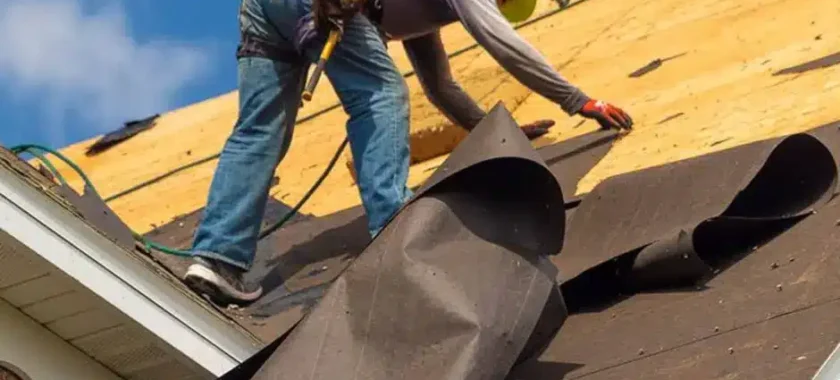
Roof underlayment is a protective layer installed over the roof deck and beneath the shingles or other roofing material. It acts as an additional moisture barrier between the exterior roof covering and the structure of your home.
Common types of roofing underlayment include:
- Asphalt-saturated felt
- Synthetic underlayment
- Rubberized or modified-bitumen underlayment
- Specialized membrane systems
For a detailed explanation of how roof underlayment works as a secondary moisture barrier, see this guide to roof underlayment from GAF. The exact type used depends on the roofing material, roof design, local requirements, and the roofing contractor’s installation method.
Although shingles are designed to shed most rainwater, no roofing system is completely dependent on the outer layer alone. Wind-driven rain, melting snow, ice, and moisture can sometimes get underneath roofing materials. The underlayment provides an additional line of defense.
Why Is Roof Underlayment Important?
A properly installed underlayment can provide several important benefits.
It Adds Moisture Protection
One of the primary purposes of roof underlayment is to help prevent water from reaching the roof deck.
If shingles become damaged or water gets underneath them, the underlayment can provide temporary protection while reducing the risk of moisture entering the structure.
It Protects the Roof Deck
The roof deck is the structural surface beneath your roofing materials. Repeated exposure to moisture can contribute to staining, deterioration, mold growth, and wood rot.
A functional underlayment helps reduce this exposure.
It Provides Additional Weather Resistance
Vancouver’s wet climate can expose roofing systems to frequent rainfall and moisture. Underlayment provides another protective layer beneath the exterior roofing material.
It Supports the Overall Roofing System
Underlayment is part of a complete roofing assembly. It works together with shingles, flashing, ventilation, and other components to help keep your home protected from the elements.
How Long Does Roof Underlayment Last?
There is no single lifespan for every type of roof underlayment.
Its service life can depend on:
- The type and quality of material
- Installation quality
- Roof ventilation
- Moisture exposure
- Weather conditions
- The condition of the roofing material above it
- How long has the underlayment been exposed to sunlight
- Previous leaks or roofing damage
Synthetic underlayments generally offer good durability, while older felt-based materials may deteriorate sooner depending on the conditions.
More importantly, roof underlayment is usually evaluated as part of the overall roofing system rather than replaced simply because it has reached a specific age.
If the roof covering is being completely replaced, your roofing contractor can inspect the existing underlayment and roof deck to determine whether replacement is appropriate.
When Does Roof Underlayment Need Replacement?
Knowing when to replace roof underlayment can prevent moisture problems from developing beneath your roof.
Here are some common situations where replacement may be necessary.
1. During a Full Roof Replacement
When an existing roof is removed, the underlayment becomes accessible for inspection.
If the existing material is damaged, brittle, deteriorated, or no longer suitable for the new roofing system, replacing it during the reroofing project is usually the practical approach.
Installing new roofing over compromised underlayment can leave an important part of the system vulnerable.
2. After Significant Water Damage
A roof leak does not always mean the entire underlayment needs to be replaced. However, if water has affected the underlayment for an extended period or the material has become damaged, an inspection may determine that replacement is necessary.
The source of the leak should also be identified and repaired.
3. When the Underlayment Is Torn or Damaged
During roofing work, severe weather, or other repairs, underlayment can become torn, punctured, or displaced.
Small isolated areas may sometimes be repaired, while extensive damage may require replacement.
4. When the Material Has Deteriorated
Older underlayment can become brittle, cracked, or weakened over time.
If the material can no longer provide reliable moisture protection, replacement should be considered.
5. When Roof Deck Damage Is Found
If moisture has reached the roof deck and caused wood deterioration, the roofing system may need more extensive repairs.
Depending on the severity, the affected roof deck, underlayment, and exterior roofing materials may all need attention.
Signs of Damaged Roof Underlayment
Because the underlayment is located beneath the outer roofing material, you may not be able to see the problem directly.
However, certain warning signs can indicate that something is wrong with the roofing system.
Water Stains on Ceilings or Walls
Brown or yellow stains on ceilings can indicate water intrusion. While the visible stain does not necessarily mean the underlayment is the cause, it should be investigated promptly.
Damp or Musty Attic Areas
Moisture in the attic may indicate a roofing leak, ventilation issue, condensation, or another problem. A professional inspection can help identify the actual source.
Missing or Damaged Shingles
Missing, cracked, or lifted shingles can expose the layers underneath to rain and wind.
If the roofing material has been compromised, the condition of the underlayment should also be checked.
Sagging Roof Areas
A visibly sagging roof can indicate a serious structural or moisture-related problem. It should not be ignored.
Repeated Roof Leaks
If the same area continues to leak after previous repairs, the underlying roofing assembly may need a more detailed inspection.
Can Roof Underlayment Be Repaired Instead of Replaced?
Sometimes, yes.
A professional roofer can determine whether a localized repair is practical. If the damage is limited to a small area, replacing only the affected section may be possible.
However, widespread deterioration, extensive water damage, or an aging underlayment may make full replacement a better long-term solution.
The decision depends on the material, extent of damage, accessibility, and condition of the rest of the roofing system.
Roof Underlayment vs. Roofing Shingles
These two components perform different but complementary jobs.
Component | Main Purpose |
Roofing shingles | Protect the roof from direct weather exposure and shed water |
Roof underlayment | Provide an additional moisture barrier beneath the exterior roofing |
Roof deck | Provides the structural surface supporting the roofing system |
Flashing | Helps protect vulnerable joints and roof penetrations |
Ventilation | Helps regulate heat and moisture in the attic |
A roof performs best when all of these components work together.
Replacing shingles without addressing damaged components underneath can leave hidden problems unresolved.
Why Vancouver Homeowners Should Pay Attention to Underlayment
Vancouver and the surrounding Lower Mainland experience frequent rainfall, making moisture management especially important for residential roofing systems.
Repeated exposure to wet conditions can make roof maintenance more important over time. Proper installation, adequate ventilation, functioning flashing, and a reliable underlayment all contribute to better moisture protection.
If your roof has experienced repeated leaks or is approaching the end of its service life, an inspection can help determine whether the underlayment is still in good condition.
How Roof Underlayment Is Replaced
Replacing underlayment generally requires removing the roofing material above it.
A professional roofing contractor typically follows a process similar to this:
- Inspect the roofing system and identify problem areas.
- Remove the existing shingles or other roofing material where necessary.
- Inspect the roof deck for moisture damage or deterioration.
- Remove damaged or unsuitable underlayment.
- Repair or replace damaged sections of the roof deck when required.
- Install the appropriate new underlayment.
- Install or repair flashing and other vulnerable areas.
- Install the new roofing material.
- Inspect the completed roofing system for proper installation.
The exact process varies depending on the roof type and project requirements.
How to Protect Your Roof Underlayment
You can help extend the life of your roofing system by addressing problems early.
Schedule Regular Roof Inspections
Professional inspections can identify damaged shingles, flashing problems, leaks, and other issues before they become major problems.
Keep Gutters and Downspouts Clear
Blocked drainage can cause water to back up around the roof edge and increase moisture exposure.
Repair Damaged Shingles Promptly
A damaged exterior roof covering can expose the layers underneath to the elements.
Check Attic Ventilation
Poor ventilation can contribute to excess heat and moisture in the attic. A roofing professional can assess whether your ventilation system is functioning properly.
Don’t Ignore Small Leaks
Even a minor leak can become a larger problem if moisture continues to reach the roof deck and other components.
Should You Replace Underlayment When Replacing Your Roof?
In many full roof replacement projects, replacing the underlayment is worth considering because the roofing materials are already being removed.
This allows the contractor to inspect the roof deck and install a new protective layer rather than relying on old or deteriorated material.
However, the right approach depends on the existing roof’s condition, the type of underlayment, the roofing material being installed, and the project’s specific requirements.
A professional assessment is the best way to determine whether replacement is necessary
Frequently Asked Questions
Is roof underlayment necessary?
Yes. Roof underlayment provides an additional protective layer beneath the exterior roofing material and helps reduce the risk of moisture reaching the roof deck.
Can you replace the roof underlayment without replacing shingles?
In some situations, localized underlayment repairs may be possible, but accessing the underlayment usually requires removing roofing materials above it. The practical solution depends on the location and extent of damage.
What happens if the roof underlayment fails?
Failed underlayment can allow moisture to reach the roof deck and potentially contribute to water damage, wood deterioration, and other roofing problems.
How do I know if my roof underlayment is damaged?
Because underlayment is hidden beneath the roofing material, direct inspection is usually necessary. Water stains, repeated leaks, damaged shingles, and attic moisture can indicate a problem with the roofing system.
Does a new roof always need new underlayment?
Not necessarily, but during a roof replacement, the underlayment should be inspected carefully. If it is damaged, deteriorated, or unsuitable for the new roofing system, replacement may be recommended.
Final Thoughts
Roof underlayment is an important part of your home’s roofing system, even though it remains hidden beneath the shingles. It provides an additional layer of moisture protection and helps protect the roof deck from water intrusion.
If your roof has recurring leaks, visible damage, or is being replaced, don’t overlook the condition of the underlayment. A professional inspection can determine whether it can remain in place, be repaired, or needs complete replacement.
For homeowners in Vancouver and the surrounding Lower Mainland, Tymey Roofing can assess your roofing system and help identify potential problems before they become more costly.
Need a professional roof inspection or replacement? Contact Tymey Roofing today to discuss your roofing needs and get the right solution for your home.
Leave a Reply