

Introduction
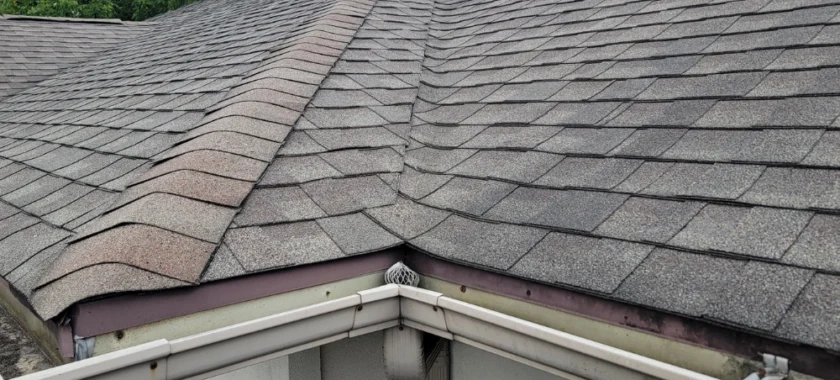
A roof drip edge is a small but important component of a roofing system. Installed along the edges of a roof, it helps guide rainwater away from the roof deck, fascia, and other vulnerable areas. When it becomes bent, loose, corroded, or improperly installed, water can reach places it should not.
Roof drip edge damage may seem minor at first, but ignoring it can contribute to moisture problems, fascia deterioration, soffit damage, and roof leaks. This is particularly important in Vancouver and the Lower Mainland, where frequent rainfall puts considerable demand on roof drainage systems.
In this guide, you’ll learn how to identify a damaged drip edge, what causes it, whether it can be repaired or needs replacement, what affects repair costs, and how to prevent future problems.
What Is a Roof Drip Edge?
A drip edge is a metal flashing component installed along the perimeter of a roof. Its job is to help control the path of rainwater as it leaves the roofing system. Depending on the roof design, drip edge works together with shingles, underlayment, gutters, fascia, and roof decking to manage water around the roof perimeter.
A properly installed drip edge can help:
- Direct water toward the gutter system
- Reduce water exposure to the fascia
- Protect the roof edge from moisture
- Reduce the risk of water reaching the roof decking
- Create a clean transition between the roofing material and the roof edge
- Improve overall roof drainage
The drip edge is therefore more than a cosmetic piece of metal. It is part of the roof’s water-management system. A properly installed drip edge can help direct water toward the gutter system and protect the roof edge from moisture. Its installation also needs to be coordinated correctly with the underlayment and other roofing components. For additional technical guidance on drip edge and underlayment installation, see Owens Corning’s roofing installation instructions.
What Causes Roof Drip Edge Damage?
Several conditions can cause damage to the metal along your roof edge.
Severe Weather
Strong winds, heavy rainfall, hail, falling branches, and airborne debris can bend or loosen the metal.
After a severe storm, a section may become detached or distorted even when the rest of the roof appears unaffected.
Improper Installation
Incorrect installation can cause problems long before the material reaches the end of its useful life.
If the flashing is not positioned correctly or is inadequately secured, water may not flow away from the roof edge as intended.
Improper installation can also create gaps that allow moisture to reach the underlying roofing components.
Age and Corrosion
Roof-edge metal is continuously exposed to moisture and changing weather conditions.
Over time, corrosion can weaken the material. Minor surface rust does not necessarily mean immediate replacement is required, but deep corrosion, holes, or deteriorated metal should be professionally assessed.
Gutter Problems
Your gutters and roof edge work together to manage rainwater.
Clogged, damaged, or poorly positioned gutters can cause water to overflow around the roof edge. Repeated exposure may contribute to the deterioration of the drip edge and surrounding materials.
Damaged Fascia
The fascia sits directly behind the roof edge in many roofing systems.
If the fascia has become rotten or weakened by moisture, the fasteners holding the edge flashing may lose their grip. This can cause sections to pull away from the roof.
Previous Roofing Work
Roof replacements and repairs can also affect existing edge flashing.
If shingles are replaced without properly addressing the existing drip edge, the result may be an incomplete or improperly integrated roof-edge system.
7 Signs of Roof Drip Edge Damage
Some problems can be noticed from ground level, while others require a professional inspection.
1. Bent or Warped Metal
The drip edge should generally form a clean, continuous line around the roof perimeter.
If you notice sections that are bent, twisted, folded, or visibly distorted, the material may no longer be directing water correctly.
2. Loose or Detached Sections
Look for metal that appears to be pulling away from the fascia or roof edge.
Loose flashing can become worse during strong winds and may create pathways for water to enter vulnerable areas.
3. Rust or Corrosion
Rust can indicate that the protective surface of the metal has deteriorated.
If corrosion has progressed to deep rust, holes, or severely weakened metal, replacing the affected section may be more appropriate than attempting a simple repair.
4. Water Stains Near the Roof Edge
Water staining on fascia, soffits, exterior walls, or nearby areas can indicate a moisture problem.
However, a stain does not automatically mean the drip edge is responsible. Water can travel from another part of the roof before appearing at the visible location.
5. Damaged or Rotting Fascia
Soft, swollen, discoloured, or deteriorated fascia can indicate prolonged moisture exposure.
If the fascia is damaged behind the edge flashing, repairing only the visible metal may not solve the underlying problem.
6. Water Running Behind the Gutter
During rainfall, observe the roof edge from a safe location.
If water appears to run behind the gutter instead of entering it properly, the drip edge, gutter installation, roof slope, or another drainage component may require inspection.
7. Recurring Roof Leaks
If a leak recurs after rainfall, particularly around the roof perimeter, a professional assessment is recommended.
The actual source may be the drip edge, flashing, shingles, underlayment, gutter system, or another component.
Can Roof Drip Edge Damage Cause a Leak?
Yes, damaged or improperly installed edge flashing can contribute to water intrusion.
The roof edge receives a significant amount of runoff during rainfall. When the metal is detached, severely corroded, bent, or improperly positioned, water may reach the fascia or roof decking instead of being directed away.
If you notice signs of water intrusion, understanding what happens if you ignore a small roof leak can help you recognize why early repairs matter. Over time, repeated moisture exposure can contribute to:
- Fascia deterioration
- Soffit damage
- Wood rot
- Roof decking deterioration
- Interior water stains
- Additional roofing repairs
However, it is important to identify the actual source of the leak before carrying out repairs. A visible problem at the roof edge does not always mean it is the original source of water intrusion.
Roof Drip Edge Repair vs. Replacement
Whether you need repair or replacement depends on the extent of the damage and the condition of the surrounding roofing materials.
Condition | Repair May Be Suitable | Replacement May Be Better |
Minor bending | Yes | Usually unnecessary |
One loose section | Often | Depends on condition |
Small isolated damage | Sometimes | If the metal is weakened |
Light surface corrosion | Sometimes | If corrosion is progressing |
Holes in metal | Usually not | Yes |
Severe corrosion | No | Yes |
Multiple detached sections | Limited repair | Often preferable |
Damaged fascia underneath | Underlying repair required | May require replacement |
Incorrect original installation | Reinstallation may work | Replacement may be required |
The goal should not simply be to make the metal look better. The repaired roof edge must continue to manage water correctly.
Roof Drip Edge Repair Options
Refastening Loose Flashing
If the material is still in good condition and has simply become loose, a roofing professional may be able to secure it correctly.
This is generally appropriate for localized problems where the surrounding roofing system remains sound.
Repairing Localized Damage
A small, isolated problem may sometimes be repaired without replacing an entire roof edge.
The damaged section may need to be repositioned, secured, or partially replaced depending on its condition.
Replacing a Damaged Section
If only one portion is severely damaged, sectional replacement may be possible.
This can be a practical solution when the remaining edge flashing is in good condition.
Complete Drip Edge Replacement
Replacement may be the better option when the metal is heavily corroded, damaged in multiple locations, or incorrectly installed.
The extent of work depends on how the existing flashing interacts with the shingles and underlayment.
Repairing the Underlying Roof Structure
Sometimes the visible edge damage is only part of the problem.
If water has already damaged the fascia, roof decking, or other wood components, those materials may need to be repaired or replaced before new flashing is installed.
How Much Does Drip Edge Repair Cost?
The cost of drip edge repair varies from one roof to another. There is no reliable single price that applies to every property.
The final cost can depend on:
- Amount of damaged flashing
- Number of roof edges affected
- Roof pitch
- Building height
- Accessibility
- Roofing material
- Labour requirements
- Condition of shingles
- Condition of underlayment
- Fascia or soffit damage
- Roof decking damage
- Material disposal
For Vancouver homeowners, general roof repair pricing can vary significantly depending on the scope and complexity of the work. Smaller repairs may cost hundreds of dollars, while more extensive roofing work can reach several thousand dollars. A professional inspection is the best way to determine the actual scope and cost for a particular property.
Why a Small Problem Can Become More Expensive
Consider a homeowner who notices a small bent section of flashing.
If the metal is the only damaged component, the repair may be relatively straightforward.
However, if inspection reveals that water has been entering behind the flashing for an extended period, the project could also involve fascia, roof decking, shingles, or other components.
That is why early attention to roof-edge problems can help prevent unnecessary secondary damage.
Examples of Different Drip Edge Problems
Example 1: Minor Storm Damage
A strong wind bends a short section of the roof edge. The shingles, fascia, and surrounding metal remain in good condition.
Possible solution: Inspect and repair or replace the affected section.
Example 2: Loose Edge and Gutter Overflow
Several sections have become loose, and water regularly overflows around the gutter during heavy rain.
Possible solution: Assess the flashing and gutter system together and correct the drainage problem.
Example 3: Severe Corrosion
Large portions of the metal have deep corrosion, and some areas contain holes.
Possible solution: Replace the affected drip edge rather than relying on a temporary patch.
Example 4: Water-Damaged Fascia
The flashing is loose, and the fascia behind it is soft and deteriorated.
Possible solution: Repair the damaged fascia first, then install or replace the appropriate edge flashing.
These examples demonstrate why the correct repair depends on the condition of the entire roof edge, not just the visible metal.
Can You Repair a Damaged Drip Edge Yourself?
Homeowners can perform basic visual checks from the ground, but repairing roof-edge flashing can involve working at height and disturbing roofing materials.
You can safely look for obvious signs such as:
- Bent metal
- Loose sections
- Rust
- Damaged fascia
- Water stains
- Gutter overflow
- Missing or damaged shingles
Avoid climbing onto the roof without appropriate safety equipment and experience.
A professional roofer can inspect the roof edge and determine whether the problem involves the flashing, shingles, gutters, fascia, underlayment, or another roofing component.
How to Prevent Roof Drip Edge Damage
Regular maintenance can help identify roof-edge problems before they become major repairs.
Keep Gutters Clean
Blocked gutters can interfere with normal water drainage.
Remove leaves, dirt, and debris regularly and check that water flows properly during rainfall.
Inspect After Major Storms
After strong winds or severe weather, inspect the roof from ground level.
Look for:
- Loose flashing
- Bent metal
- Missing shingles
- Damaged gutters
- Fallen branches
- Visible debris
Check the Fascia and Soffits
Watch for peeling paint, staining, swelling, soft wood, or visible deterioration around the roof edge.
These signs may indicate that moisture is reaching the underlying materials.
Maintain Nearby Trees
Trim branches that overhang the roof where appropriate.
This can reduce the risk of branches striking the roof or depositing excessive debris into gutters.
Schedule Professional Roof Inspections
Professional inspections can identify problems that are difficult to see from ground level.
An inspection is particularly useful for older roofs, properties that have experienced leaks, or homes that have recently experienced severe weather.
Repair Problems Promptly
A small section of loose flashing may seem insignificant, but continued exposure to water and wind can make the problem worse.
Addressing the issue early may help prevent more extensive damage.
When Should You Call a Roofing Professional?
Contact a roofing professional if you notice:
- Recurring roof leaks
- Loose or detached flashing
- Deep corrosion
- Holes in the drip edge
- Rotting fascia
- Damaged soffits
- Water running behind gutters
- Sagging areas near the roof edge
- Visible roof decking damage
- Storm-related roof damage
Scheduling a professional roof inspection can help identify hidden moisture issues and determine whether the problem is limited to the drip edge or involves other roofing components.
A professional inspection can determine whether you need a localized roof drip-edge repair, a sectional replacement, or more extensive roofing work.
Roof Drip Edge Damage vs. Other Roofing Problems
Not every roof-edge leak is caused by the drip edge.
Drip Edge Damage
Usually involves the metal installed around the perimeter of the roof and can affect how water moves away from the roof edge.
Roof Flashing Damage
Flashing is installed around areas such as chimneys, skylights, walls, vents, and other roof transitions. Damaged flashing can also allow water to enter the roofing system.
Shingle Damage
Missing, cracked, curled, or deteriorated shingles can allow water to penetrate the roof.
Gutter Problems
Clogged, damaged, or incorrectly positioned gutters can cause water to overflow around the roof edge.
Because these components work together, proper diagnosis is important before deciding on a repair.
How Long Does a Drip Edge Last?
There is no universal lifespan for every drip edge.
Its durability can depend on:
- Material quality
- Installation quality
- Weather exposure
- Moisture levels
- Corrosion resistance
- Roof maintenance
- Storm damage
- Condition of surrounding materials
A roof edge that has been properly installed and maintained can remain functional for many years. However, visible deterioration should be assessed rather than ignored based solely on the age of the roof.
Frequently Asked Questions
What is roof drip edge damage?
Roof drip edge damage includes bending, corrosion, holes, detachment, or incorrect positioning of the metal flashing installed along the roof perimeter. Damage can interfere with water drainage and expose surrounding roofing materials to moisture.
Can a damaged drip edge cause roof leaks?
Yes. A damaged or improperly installed drip edge can contribute to water intrusion, although shingles, flashing, underlayment, gutters, and other components can also be responsible for a leak.
Should I repair or replace my roof drip edge?
Minor localized damage may be repairable. Extensive corrosion, holes, widespread damage, or severely deteriorated metal generally makes replacement a more practical solution.
How much does drip edge repair cost in Vancouver?
The cost depends on the size of the damaged area, roof accessibility, roof pitch, materials, labour, and whether surrounding materials also require repair. A professional inspection is the best way to obtain an accurate estimate.
Can I replace the drip edge without replacing the entire roof?
In some cases, yes. If the existing roof is otherwise in good condition, a roofing contractor may be able to replace damaged sections without replacing the entire roof.
How can I prevent drip edge damage?
Keep gutters clean, inspect the roof after major storms, maintain nearby trees, monitor the fascia and soffits, schedule professional roof inspections, and address small roofing problems promptly.
Final Thoughts
Roof drip edge damage should not be dismissed simply because the affected component is small.
The drip edge plays an important role in directing water away from vulnerable areas of the roof. When it becomes loose, bent, corroded, or improperly installed, continued moisture exposure can contribute to damage involving the fascia, soffits, roof decking, and other roofing components.
The best solution depends on the severity of the problem. Minor localized damage may only require repair, while extensive corrosion, holes, or underlying wood damage may require replacement and additional roofing work.
If you notice damaged flashing, recurring leaks, water running behind your gutters, or deterioration around the roof edge, having the problem professionally assessed can help identify the source before it becomes more extensive.
Need professional help with a damaged roof edge in Vancouver, Coquitlam, Burnaby, Surrey, or the Lower Mainland? Contact Tymey Roofing to arrange a professional assessment and discuss the appropriate repair or replacement option for your roof.
Need Roof Drip Edge Repair in Vancouver?
Don’t let a damaged or loose drip edge turn into a bigger roofing problem. Tymey Roofing can inspect your roof edge, identify the cause of the damage, and recommend the right repair or replacement option.
Whether you’re dealing with roof drip edge damage, water leaks, damaged fascia, or gutter-related issues, our roofing team can help protect your home from further moisture damage.
📍 Serving Vancouver, Coquitlam, Burnaby, Surrey, and the Lower Mainland
Contact Tymey Roofing today to schedule a professional roof inspection and get a reliable repair estimate.
📧 [email protected]
📞 Call Tymey Roofing for professional roofing services.
Leave a Reply