

Introduction
If you’re considering a new roof, one of the first questions you’re likely to ask is: How long does a roof replacement take in Vancouver?
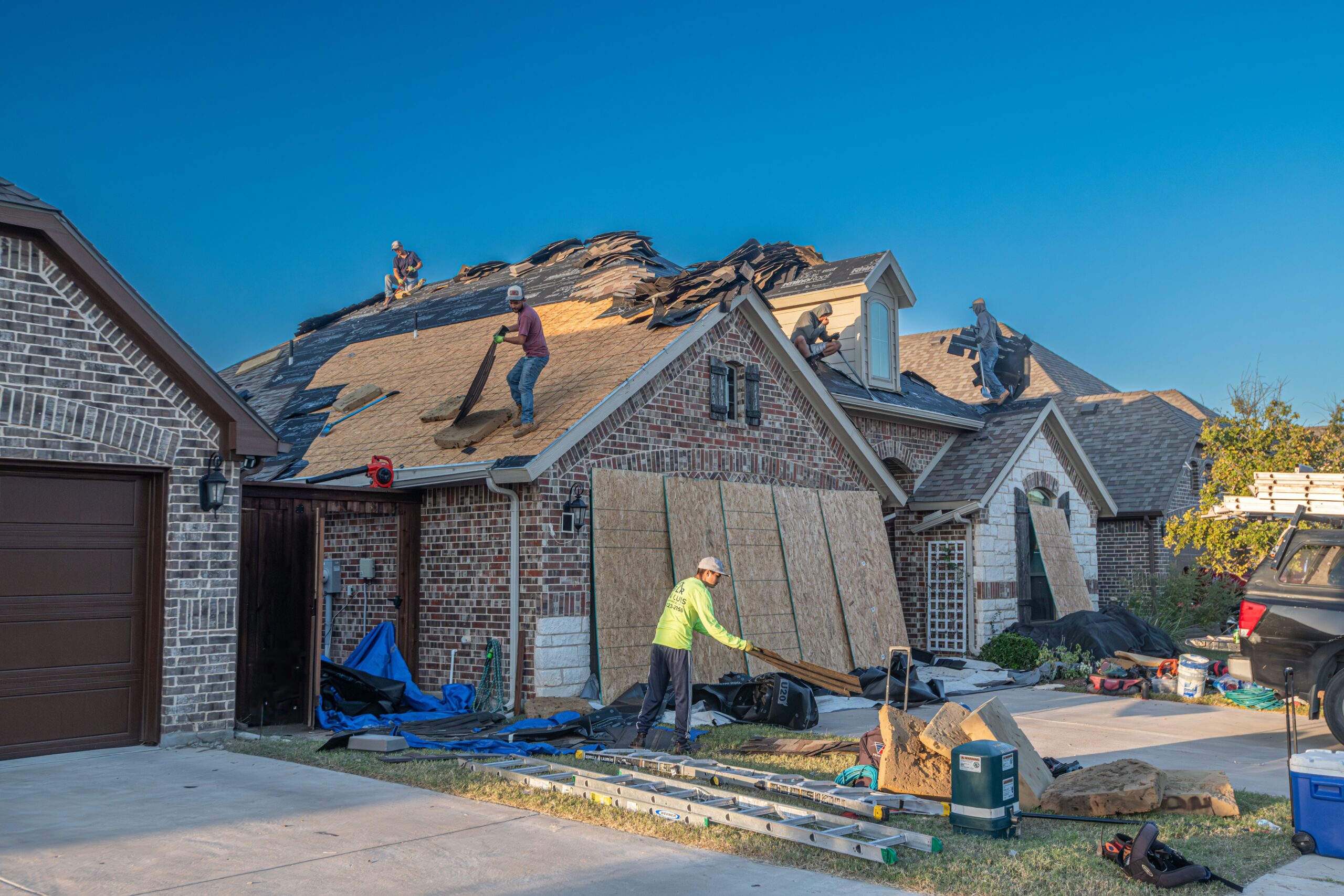
For most standard residential homes, a complete roof replacement can often be completed within 2 to 5 working days. However, there is no single timeline that applies to every home. Roof size, design, roofing material, weather, accessibility, and hidden damage can all affect how long the project takes.
Vancouver homeowners also have an additional consideration: the local climate. Frequent rain and changing weather conditions can affect exterior construction schedules, making proper planning especially important.
Understanding the replacement process can help you prepare your home, plan your schedule, and make better decisions when choosing a roofing contractor.
How Long Does a Roof Replacement Usually Take?
A typical asphalt shingle roof on an average-sized home may take approximately 2 to 5 working days from removal of the old roofing to final cleanup.
A smaller and straightforward roof may take less time, while a large or complicated roof can take a week or longer.
Several factors determine the actual timeline, including:
- Size of the roof.
- Roof pitch and accessibility.
- Type of roofing material.
- Number of roof sections.
- Skylights and chimneys.
- Valleys and dormers.
- Condition of the roof deck.
- Ventilation requirements.
- Material availability.
- Weather conditions.
For example, replacing a simple roof with one or two slopes is generally more straightforward than replacing a roof with several sections, steep slopes, skylights, and multiple valleys.
The goal should not simply be to finish as quickly as possible. A roofing project needs enough time for proper preparation, installation, inspection, and cleanup.
What Happens During a Roof Replacement?
Knowing what happens at each stage gives homeowners a better idea of where the project time goes.
Initial Roof Inspection
Before work begins, the roofing contractor should inspect the existing roof.
The inspection may identify:
- Missing or damaged shingles.
- Water stains or signs of leaks.
- Damaged flashing.
- Moss or organic growth.
- Poor ventilation.
- Sagging areas.
- Deteriorated roof decking.
- Problems around skylights or chimneys.
This inspection helps determine whether the roof needs a complete replacement or whether repair could still be a practical option.
Planning and Material Preparation
After the inspection, the contractor can prepare the project and arrange the necessary materials.
This may include selecting:
- Shingles.
- Underlayment.
- Flashing.
- Drip edge.
- Ridge caps.
- Ventilation components.
- Ice and water protection where appropriate.
Having materials ready before installation begins can help prevent avoidable delays.
Removing the Old Roofing
The existing roofing material is carefully removed so the underlying surface can be inspected.
The crew may need to remove:
- Old shingles.
- Underlayment.
- Damaged flashing.
- Old roofing accessories.
The amount of time required depends largely on the roof’s size and how many layers need to be removed.
Inspecting and Repairing the Roof Deck
Once the old roofing is removed, the exposed roof deck can be inspected.
If sections are soft or damaged by moisture, they may need to be replaced before the new roofing system is installed.
This is one of the most common reasons a project can take longer than the initial estimate.
For example, a homeowner may expect a three-day installation, but if damaged decking is discovered after tear-off, additional repair work may be required.
Installing the New Roofing System
Once the roof deck is ready, the new roofing system can be installed.
Depending on the project, this can involve:
- Underlayment.
- Flashing.
- Drip edge.
- Starter shingles.
- Field shingles.
- Valley protection.
- Ridge caps.
- Roof ventilation.
Each component contributes to the roof’s ability to manage water and protect the home.
Proper installation is particularly important in Vancouver, where homes regularly experience wet weather.
Final Inspection and Cleanup
After installation, the contractor should inspect the completed roof and make sure the roofing components have been installed correctly.
The crew should also clean the work area and remove old roofing materials and construction debris.
A professional cleanup is especially important around driveways, walkways, gardens, and other areas surrounding the home.
What Can Make a Roof Replacement Take Longer?
Even when a contractor provides an estimated completion date, unexpected circumstances can extend the project.
Vancouver Weather
Weather is one of the biggest factors that can affect roofing schedules.
Rain can make roof surfaces unsafe and can interfere with certain installation procedures. Contractors may therefore need to pause work until conditions improve.
This can be frustrating for homeowners, but delaying work during unsuitable weather can help protect both workers and the quality of the installation.
Hidden Water Damage
Not every roofing problem is visible from the outside.
Once old shingles are removed, the contractor may discover:
- Rotten decking.
- Moisture damage.
- Damaged framing.
- Deteriorated flashing.
- Previous installation problems.
These issues need to be addressed before the new roofing system is completed.
Large or Complex Roof Designs
A large roof naturally requires more time than a small roof.
Complex designs can also increase installation time because they require additional measurements, cuts, flashing, and detail work.
Features such as:
- Skylights.
- Chimneys.
- Dormers.
- Multiple valleys.
- Steep slopes.
- Several roof sections.
can all add to the overall project duration.
Material Availability
If your preferred roofing material is not immediately available, installation may need to be scheduled around delivery.
Discuss material availability with your contractor before setting a firm start date.
Asphalt Shingles vs. Metal Roofing
The type of roofing material you choose can affect installation time, maintenance requirements, appearance, and overall cost.
Feature | Asphalt Shingles | Metal Roofing |
Initial investment | Generally more affordable | Generally higher |
Installation | Often straightforward | May require specialized installation |
Style options | Many colours and styles | Many styles available |
Maintenance | Relatively manageable | Generally low maintenance |
Longevity | Depends on product and conditions | Often long-lasting |
Installation time | Often shorter for standard homes | Varies by system and roof design |
For many homeowners, asphalt shingles remain a practical option because they offer a balance between appearance, performance, and upfront cost.
Metal roofing can also be a strong choice for homeowners prioritizing longevity and specific performance characteristics.
The right material depends on your home’s structure, budget, design preferences, and long-term goals.
How Much Does Roof Replacement Cost in Vancouver?
The cost of a roof replacement in Vancouver varies from home to home.
There is no reliable one-size-fits-all price because several factors influence the final quote.
These include:
- Roof size.
- Roofing material.
- Roof pitch.
- Labour.
- Accessibility.
- Number of existing roofing layers.
- Roof deck condition.
- Flashing requirements.
- Ventilation work.
- Disposal of old materials.
For example, replacing a small, accessible asphalt shingle roof may cost considerably less than replacing a large, steep roof with multiple skylights and extensive decking damage.
Homeowners should also be cautious about choosing a contractor based only on the lowest estimate. A very low quote may exclude important components or potential repair work.
A detailed inspection and written estimate provide a much more realistic picture of the total investment.
Roof Repair or Replacement: Which Is Better?
A damaged roof does not automatically mean you need a complete replacement.
Roof Repair May Be Suitable When:
- Damage is limited to a small area
- The rest of the roof is in reasonable condition
- The roof is not near the end of its expected service life
- There is no widespread moisture damage
- The underlying roof deck is sound
Replacement May Be More Practical When:
- The roof is significantly aged
- Damage is widespread
- Leaks keep returning
- Shingles are deteriorating across large areas
- The roof deck has extensive damage
- Repairs are becoming increasingly frequent
- The existing roofing system is no longer providing reliable protection
A professional inspection can help you compare the short-term cost of repairs with the long-term value of a new roof.
How to Prepare Your Home for Roof Replacement
A little preparation can make your roofing project easier. Roof replacement can create vibration and construction noise.
Inside the Home
Roof replacement can create vibration and construction noise. Before work begins:
- Secure fragile items.
- Protect delicate belongings.
- Move valuable items away from areas affected by vibration.
- Keep attic storage organized.
If you work from home, consider planning meetings around the expected construction schedule.
Outside the Home
You should also prepare the exterior of your property.
Consider:
- Moving vehicles away from the work area.
- Removing patio furniture.
- Protecting outdoor decorations.
- Keeping children away from the construction area.
- Keeping pets indoors or safely away from the crew.
- Providing clear access to the driveway when required.
Your roofing contractor may provide additional preparation instructions before the project begins.
How to Protect Your New Roof After Installation
A new roof still requires regular care. Good maintenance can help identify problems before they become expensive repairs.
Schedule Regular Inspections
Inspect the roof periodically and especially after significant weather events.
Look for:
- Missing shingles.
- Lifted or damaged shingles.
- Damaged flashing.
- Moss growth.
- Damaged vents.
- Signs of water entry.
Professional inspections can also identify problems that may not be visible from the ground.
Keep Gutters and Downspouts Clear
Leaves and debris can block gutters and interfere with proper water drainage.
Cleaning gutters regularly allows rainwater to move away from the roof and foundation more effectively.
Monitor Moss Growth
Vancouver’s damp climate can create favourable conditions for moss.
Moss should be addressed carefully because aggressive cleaning methods can damage roofing materials.
If you notice significant growth, ask a roofing professional about an appropriate cleaning and maintenance approach.
Check Attic Ventilation
Good attic ventilation helps manage heat and moisture.
If you notice excessive condensation, unusual moisture, or other ventilation concerns, have the roofing system assessed by a professional.
Deal With Problems Early
Don’t ignore a small roofing issue simply because there is no visible interior leak.
A minor problem can allow water to reach the roof deck or other parts of the home. Early repairs may help prevent a more expensive problem later.
How to Choose the Right Roofing Contractor in Vancouver
Choosing the right contractor is just as important as choosing the right roofing material.
Before hiring a roofing company, ask:
- How much experience do you have with local homes?
- What roofing materials do you install?
- What is included in the estimate?
- Does the quote include removal and disposal?
- How are unexpected roof deck repairs handled?
- How are weather delays managed?
- What warranty is provided?
- Can you provide examples of previous work?
A professional contractor should be willing to explain the proposed roofing system and provide a clear scope of work.
Don’t focus only on how quickly a contractor promises to finish. Proper installation, workmanship, communication, and quality materials matter just as much as the timeline.
Frequently Asked Questions
How long does a roof replacement take in Vancouver?
Most standard residential projects can take around 2 to 5 working days, although larger, more complex, or weather-affected projects may take longer.
Can rain delay roof replacement?
Yes. Rain and unsuitable weather can interrupt roofing work. Your contractor may pause installation until conditions are safe and appropriate.
Can I stay at home during a roof replacement?
Usually, yes. However, roof replacement can be noisy and disruptive. Homeowners who work remotely may want to plan around the construction schedule.
Does roof size affect replacement time?
Yes. Larger roofs generally require more materials, labour, and installation time. Complex roof designs can also extend the project.
How can I make my roof replacement go smoothly?
Choose your materials early, prepare your property, keep access areas clear, communicate with your contractor, and allow some flexibility in the schedule for Vancouver weather.
Final Thoughts
So, how long does a roof replacement take in Vancouver?
For many standard homes, the installation itself may take approximately 2 to 5 working days. However, every property is different. Weather, roof size, design, materials, accessibility, and hidden damage can all affect the final timeline.
The best roofing project is not necessarily the fastest one. It is the one completed with proper preparation, quality materials, correct installation, and attention to important details.
If your existing roof is aging, leaking, or showing signs of significant wear, getting a professional assessment can help you determine whether repair or replacement is the better option.
Add Your Heading Text Here
Tymey Roofing provides professional roofing services for homeowners in Vancouver, Coquitlam, Burnaby, Surrey, and surrounding areas.
Whether you need a complete roof replacement, an assessment of an aging roof, or advice about your roofing options, our team can help you understand the condition of your roof and plan the next step.
Tymey Roofing Coquitlam, BC V3 1Y2
 info@tymeyroofing.com
 tymeyroofing.com
Contact Tymey Roofing today to schedule a professional roof assessment and discuss the right roofing solution for your home.
Leave a Reply