

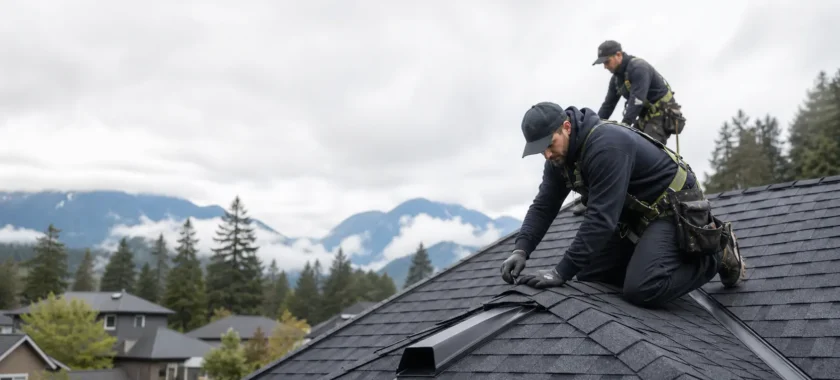
Introduction
A new roof should provide reliable protection for years, but poor installation can cause problems long before the roofing materials reach the end of their expected lifespan. A roof may look new from the ground while hidden installation mistakes leave the home vulnerable to leaks, moisture damage, and premature deterioration.
For Vancouver homeowners, proper roof installation is particularly important because roofs are regularly exposed to rain, moisture, wind, and changing weather conditions. Knowing the warning signs of poor workmanship can help you identify problems early and address them before they become costly repairs.
Why Proper Roof Installation Matters
A roofing system consists of more than shingles. It includes the roof deck, underlayment, flashing, ventilation, fasteners, and other components that work together to protect the home.
When one component is installed incorrectly, it can affect the performance of the entire roofing system. For example, improperly installed flashing can allow water to enter vulnerable areas, while inadequate attic ventilation can contribute to moisture buildup.
Some installation problems may not cause an immediate leak. Instead, repeated exposure to rain, wind, and moisture can gradually turn a small installation issue into a larger roofing problem.
7 Signs of Poor Roof Installation
1. Uneven or Misaligned Shingles
Properly installed shingles should form relatively straight and consistent courses across the roof. If shingles appear noticeably crooked, uneven, lifted, or poorly aligned, it may indicate an installation problem.
Poor shingle alignment can affect both the appearance and performance of the roof. Improperly positioned shingles may not seal or shed water as intended and can be more vulnerable to wind damage.
Homeowners can look for obvious irregularities from the ground. If something appears significantly out of place, a professional roofer should inspect it rather than attempting to climb onto the roof.
2. Incorrectly Placed Roofing Nails
Roofing nails must be positioned correctly to secure shingles properly to the roof deck.
Nails that are placed too high, too low, or outside the manufacturer’s specified fastening area may fail to hold the shingles securely. Incorrect fastening can contribute to shingle movement, wind damage, and potential water intrusion.
Proper nail placement depends on the roofing product and its installation requirements. A qualified roofing contractor should follow the manufacturer’s specifications when installing the system.
3. Poorly Installed Flashing
Flashing helps direct water away from vulnerable areas of the roof. It is commonly installed around chimneys, skylights, plumbing vents, roof-to-wall intersections, and other roof penetrations.
Poorly installed, damaged, or missing flashing can create pathways for water to enter the roofing system.
Visible signs of flashing problems may include loose sections, gaps, corrosion, or materials that appear improperly fitted around roof penetrations.
Because flashing is a common area for water intrusion, suspected problems should be inspected by a roofing professional.
4. Inadequate Roof Ventilation
Proper attic ventilation helps manage heat and moisture within the roofing system.
A properly designed ventilation system generally provides adequate intake and exhaust ventilation. If ventilation is insufficient, moisture can accumulate in the attic and contribute to problems such as condensation and deterioration of building materials.
Possible warning signs include:
- Excess moisture in the attic.
- Condensation.
- Musty odors.
- Visible mold or moisture damage.
- Unusual deterioration of roofing materials.
Ventilation requirements vary depending on the roof design, attic configuration, and local building requirements. A professional assessment can determine whether the existing ventilation system is adequate.
5. Missing or Improperly Installed Underlayment
Underlayment is installed beneath the roof covering and provides an additional layer of protection against moisture.
If underlayment is missing, damaged, or incorrectly installed, the roofing system may have reduced protection against water reaching the roof deck.
Because most underlayment is hidden beneath the shingles, homeowners generally cannot verify its condition through a basic visual inspection. If installation quality is questionable, a professional roof inspection may be necessary.
6. Poorly Finished Roof Edges and Ridge Areas
Roof edges and ridge areas require careful installation because they are exposed to weather and are important parts of the completed roofing system.
Visible warning signs can include:
- Loose-looking edge materials.
- Uneven ridge caps.
- Gaps around roof edges.
- Missing components.
- Materials that appear lifted or poorly secured.
These areas should be properly finished and secured as part of the overall roofing installation.
7. Leaks Shortly After a Roof Installation
Water entering the home shortly after a new roof has been installed is a serious warning sign.
Possible signs of water intrusion include:
- Water stains on ceilings
- Damp areas around walls or ceilings
- Water marks in the attic
- Dripping during or after rainfall
- Moisture around roof penetrations
A new roof should provide effective protection from normal weather conditions. If water is entering the home after installation, the cause should be investigated promptly.
How Vancouver Weather Can Expose Installation Problems
Vancouver’s wet climate means roofing systems are regularly exposed to rainfall and moisture. Installation weaknesses that may remain unnoticed during dry weather can become more apparent during periods of heavy rain or strong winds.
Water can enter vulnerable areas when flashing, underlayment, roof penetrations, or other components are not properly installed.
Over time, repeated moisture exposure can contribute to deterioration of roofing materials and damage to the roof deck or other building components.
This is why proper installation matters from the beginning. Identifying a workmanship issue early can help prevent a much larger problem later.
What Homeowners Can Check From the Ground
You do not need to climb onto the roof to look for basic warning signs.
From a safe location, homeowners can look for:
- Missing or visibly damaged shingles.
- Uneven shingle lines.
- Loose-looking roofing materials.
- Visible gaps around roof penetrations.
- Damaged or incomplete flashing.
- Sagging areas.
- Roofing materials or debris left behind after installation.
Avoid walking on the roof yourself. Roofing surfaces can be slippery, and inspecting elevated areas can create a serious fall risk. A qualified roofing professional can safely assess areas that cannot be seen from the ground.
What to Do If You Suspect Poor Roof Installation
If you notice possible installation problems, it is better to investigate them before they develop into significant damage.
Start by taking photographs of visible issues from a safe location. Keep your roofing contract, invoices, product information, and warranty documents available.
If the same contractor recently installed the roof, contact them and explain the problem. If you are unsure whether the issue is related to installation, consider arranging a professional roof inspection.
An inspection can help determine whether the visible problem is related to workmanship, material failure, weather exposure, or another roofing issue.
How to Reduce the Risk of Poor Roof Installation
Homeowners can take several steps to reduce the risk of installation problems before roofing work begins.
Choose an Experienced Roofing Contractor
Look for a roofing contractor with experience installing the type of roofing system used on your home. Ask about previous projects, warranties, and the installation process.
Ask About the Complete Roofing System
Do not focus only on the shingles. Ask how the contractor plans to handle important components such as:
- Roof deck preparation.
- Underlayment.
- Flashing.
- Ventilation.
- Roof edges.
- Ridge caps.
- Fastening methods.
Understanding these components can help you evaluate the overall installation rather than focusing only on the visible roof covering.
Review the Warranty
Keep copies of your roofing contract and workmanship warranty. Also review the manufacturer’s product warranty and any installation requirements associated with it.
Inspect the Completed Work
Once the installation is complete, ask the contractor to walk you through the finished roof and explain any areas that required additional repairs or preparation.
Keeping records and photographs of the completed work can also be useful if a problem develops later.
Final Thoughts
A properly installed roof is an important part of protecting your home from Vancouver’s frequent rain, moisture, and changing weather conditions. While a new roof may look perfect from the outside, installation problems can sometimes remain hidden until they begin to affect the roofing system.
Uneven shingles, incorrect nail placement, poorly installed flashing, inadequate ventilation, missing underlayment, and leaks shortly after installation are all signs that deserve attention. These issues do not necessarily mean that the entire roof needs to be replaced, but they should be evaluated before they lead to more serious problems.
Addressing roofing concerns early can help reduce the risk of water intrusion, moisture damage, premature deterioration, and unexpected repair costs. It is also important to remember that some roofing components are hidden beneath the visible shingles, so a professional inspection may be necessary when the quality of an installation is uncertain.
For Vancouver homeowners, choosing experienced roofing professionals and making sure the complete roofing system is installed correctly can provide greater long-term protection and peace of mind. If you have recently had a roof installed and are concerned about its workmanship, or if you have noticed signs of a potential installation problem, getting the roof assessed early can help you understand the condition of your roofing system and determine the appropriate next steps.
Worried About Your Roof Installation?
If you are unsure whether your roof was installed correctly or have noticed signs of poor workmanship, don’t wait for a small issue to turn into costly damage. Tymey Roofing provides professional roofing inspections for homeowners in Vancouver and surrounding areas.
Our team can assess your roof, identify potential installation problems, and help you understand what steps may be needed to protect your home.
Need a professional roof inspection? Contact Tymey Roofing today to schedule an assessment.
Tymey Roofing
Vancouver, BC
Email: info@tymeyroofing.com
Website: tymeyroofing.com
Leave a Reply