

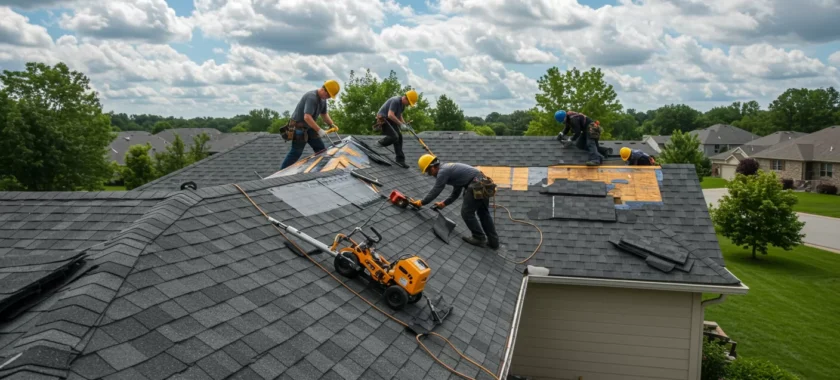
Introduction
A leaking or damaged roof can be stressful for any homeowner. Whether the damage is caused by a severe storm, a fallen tree branch, aging shingles, or unexpected wear and tear, one question immediately comes to mind: Can you repair just one section of a damaged roof?
The good news is that yes, in many cases, you can repair only the damaged portion of your roof instead of replacing the entire roofing system. However, the answer isn’t always straightforward. The success of a partial roof repair depends on several important factors, including the age of your roof, the extent of the damage, the condition of the roofing materials, and whether there are hidden structural issues beneath the surface.
Many homeowners assume that replacing the entire roof is the only solution, while others delay repairs to save money. Both decisions can become expensive if they’re made without a professional inspection. Sometimes, a simple localized repair can restore your roof for years. In other situations, what appears to be minor damage may actually indicate deeper problems that require more extensive work.
Understanding when a partial roof repair is appropriate can help you make a smarter financial decision while protecting your home’s structure, insulation, and interior from water damage. In this guide, you’ll learn when repairing one section is possible, when a full replacement is the better investment, what the repair process looks like, how much it typically costs, and how to keep your roof in excellent condition for years to come.
What Determines Whether Only One Roof Section Can Be Repaired?
The answer depends on much more than what you can see from the ground.
A roof is made up of several layers that work together to protect your home. Even if only a few shingles appear damaged, water may have already reached the underlayment or roof decking underneath. That’s why professional roofing contractors inspect both the visible and hidden parts of the roof before recommending a solution.
In many situations, repairing just one section of a damaged roof is possible when the damage is limited, and the remaining roof is still structurally sound.
Professional roofers usually evaluate the following factors before recommending a repair.
The Age of Your Roof
The age of your roof plays a major role in deciding whether a partial repair makes sense.
If your asphalt shingle roof is only eight or ten years old and has been properly maintained, replacing one damaged area is often a practical and cost-effective solution.
However, if your roof is already twenty-five years old and nearing the end of its expected lifespan, repairing one section may only delay a much larger problem. Older shingles become brittle, lose protective granules, and are more likely to crack during repairs.
The roof lifespan of your existing roofing system is one of the most important factors in deciding whether a partial repair or a full replacement is the better option.
The Extent of the Damage
Localized damage is usually repairable.
Examples include:
- Wind removing shingles from one corner of the roof
- A fallen tree branch damaging one slope
- Flashing failure around a chimney
- Minor hail damage in one area
- Small leaks around skylights or roof vents
If the damage is isolated, your roofing contractor can often remove the damaged materials and install new ones without affecting the rest of the roof.
However, widespread water intrusion, multiple leaks, or structural deterioration generally require a more comprehensive solution.
The Condition of the Roof Deck
The shingles you see are only one part of your roofing system.
Beneath them lies the roof decking, which provides structural support. If moisture has penetrated beneath the shingles, the wooden decking may begin to rot.
A professional inspection may reveal:
- Soft spots
- Mold growth
- Water damage
- Delaminated plywood
- Structural weakening
If the roof deck is damaged only in one location, that section can usually be replaced before installing new roofing materials.
Availability of Matching Roofing Materials
One challenge with partial roof repair is finding shingles that match the existing roof.
Manufacturers sometimes discontinue colors and product lines, making exact matches difficult.
Even when the same product is available, older shingles naturally fade due to years of sunlight and weather exposure.
An experienced roofing contractor will do their best to blend the repaired area so it looks as seamless as possible.
Common Causes of Localized Roof Damage
Not every roofing problem affects the entire roof. In fact, many issues begin in one isolated area.
Understanding these common causes can help homeowners recognize problems early before they spread.
Storm Damage
High winds are among the most common reasons homeowners require damaged roof repair.
Strong gusts can:
- Lift shingles
- Break adhesive seals
- Remove ridge caps
- Expose underlayment
If addressed quickly, these repairs are usually limited to one section.
Fallen Tree Branches
Trees provide shade and curb appeal, but they can also become a major roofing hazard.
Heavy branches may:
- Crack shingles
- Damage flashing
- Break roof decking
- Create immediate leaks
The damage is often concentrated in one area, making partial repairs possible.
Flashing Failures
Flashing protects vulnerable areas where the roof meets chimneys, skylights, dormers, and vents.
Over time, flashing may:
- Rust
- Separate
- Crack
- Pull away from the roof
Because flashing issues are usually localized, they rarely require a full roof replacement.
Poor Roof Installation
Unfortunately, not every roof is installed correctly.
Improper nailing, poor ventilation, inadequate flashing installation, or low-quality workmanship may cause only one section of the roof to fail years before the rest.
Correcting these issues early can prevent widespread damage.
Animal Damage
Wildlife often targets roofs for shelter.
Common culprits include:
- Raccoons
- Squirrels
- Birds
- Rodents
These animals can:
- Remove shingles
- Damage soffits
- Tear underlayment
- Create openings that allow water inside
Fortunately, the damage is usually confined to one area.
Signs You May Only Need a Partial Roof Repair
Many homeowners don’t know whether they need a repair or a replacement.
Here are some signs that suggest a localized repair may be enough.
Missing Shingles
If only a few shingles are missing after a storm, replacing them promptly may prevent further water damage.
Small Ceiling Stains
A single water stain on one ceiling often indicates an isolated leak rather than widespread roof failure.
Damaged Flashing
Leaks around chimneys, vents, or skylights usually originate from deteriorated flashing instead of the entire roof.
One Area of Granule Loss
If granule loss is limited to one section, replacing those shingles may restore adequate protection.
Isolated Wind Damage
After severe weather, inspect your roof for lifted shingles or exposed underlayment in one specific location.
Why Professional Roof Inspections Matter
Although some roof damage is obvious, much of it remains hidden beneath the shingles.
Professional roof inspections involve much more than simply looking for missing shingles.
A qualified roofing contractor typically checks:
- Roof decking
- Underlayment
- Flashing
- Ventilation
- Chimneys
- Skylights
- Roof penetrations
- Moisture levels
- Attic insulation
- Signs of mold
- Structural movement
- Gutter performance
This detailed inspection helps determine whether repairing just one section of a damaged roof is the best solution, or whether hidden issues necessitate a larger repair.
Many homeowners are surprised to learn that a roof with only a small visible leak may have significant moisture trapped beneath the surface. Catching these issues early can prevent thousands of dollars in future repairs and extend the overall lifespan of the roof.
Partial Roof Repair vs. Full Roof Replacement: Which Option Is Better?
One of the biggest decisions homeowners face after discovering roof damage is whether to repair the affected area or invest in a complete roof replacement. While repairing only the damaged section is often more affordable, it isn’t always the best long-term solution.
The right choice depends on your roof’s age, the severity of the damage, your budget, and the overall condition of the roofing system.
Below is a comparison to help you understand the differences.
Feature | Partial Roof Repair | Full Roof Replacement |
Initial Cost | Lower | Higher |
Project Duration | Usually 1 day | 2–7 days |
Best For | Localized damage | Extensive or aging roofs |
Appearance | May not match perfectly | Uniform appearance |
Lifespan Improvement | Extends roof life | Provides a completely new lifespan |
Maintenance | May require future repairs | Minimal for many years |
Long-Term Value | Good for newer roofs | Better for older roofs |
If your roof is relatively new and the damage is confined to one area, repairing just one section of a damaged roof is usually the most practical solution. However, if your roof has reached the end of its lifespan or shows widespread wear, replacing the entire roof can save money in the long run by avoiding repeated repairs.
How Roofing Materials Affect Repair Options
Not all roofing materials can be repaired the same way. Some materials are easier to patch, while others require specialized techniques or complete replacement of larger sections.
Asphalt Shingles
Asphalt shingles are the most common residential roofing material and are generally the easiest to repair.
A professional roofer can replace damaged shingles individually if matching materials are available.
Best for partial repairs:  Excellent
Metal Roofing
Metal roofs are highly durable, but repairs depend on the type of damage.
Small leaks around fasteners or seams can often be repaired without replacing entire panels. However, severely dented or rusted panels may need replacement.
Best for partial repairs: Very Good
Cedar Shake Roofs
Cedar shakes offer a natural appearance but require skilled installation and repair.
Individual shakes can be replaced, but color differences between old and new wood may be noticeable.
Best for partial repairs: Good
Tile Roofs
Concrete and clay tiles are extremely durable.
Cracked tiles can usually be replaced individually, provided matching tiles are available.
Best for partial repairs: Excellent
Flat Roof Systems
Flat roofs often develop leaks around seams, drains, or flashing.
Many localized problems can be repaired using membrane patches or sealants without replacing the entire roof.
Best for partial repairs: Good
What Happens During a Partial Roof Repair?
Following a reliable roof maintenance guide can help you identify minor roofing issues before they turn into expensive repairs.
Step 1: Roof Inspection
The roofing contractor examines the visible damage and checks for hidden issues beneath the roofing materials.
Step 2: Damage Assessment
The contractor determines whether the damage is isolated or part of a larger problem.
Step 3: Removal of Damaged Materials
Broken shingles, flashing, or underlayment are carefully removed without affecting the surrounding roof.
Step 4: Structural Repairs
If the roof decking has been damaged by moisture, the affected wood is replaced.
Step 5: Installation of New Materials
New underlayment, flashing, and shingles are installed according to manufacturer guidelines.
Step 6: Final Inspection
The repaired section is checked for proper sealing, alignment, and waterproofing to ensure long-lasting performance.
How Much Does It Cost to Repair One Section of a Roof?
The cost of damaged roof repair varies depending on several factors, including the roofing material, roof pitch, accessibility, labor costs, and the extent of the damage.
Average Roof Repair Costs
Repair Type | Estimated Cost (USD) |
Replace a Few Shingles | $200–$600 |
Flashing Repair | $300–$900 |
Minor Roof Leak Repair | $400–$1,000 |
Roof Deck Replacement | $700–$2,000 |
Storm Damage Repair | $500–$2,500 |
Chimney Flashing Repair | $400–$1,200 |
Skylight Leak Repair | $500–$1,500 |
Note: These are average estimates. Actual costs depend on your location, roofing material, labor rates, and the complexity of the repair.
Factors That Influence Repair Costs
Several variables can increase or decrease the final price:
- Roof size
- Roof slope and accessibility
- Type of roofing material
- Extent of water damage
- Labor costs in your area
- Availability of matching shingles
- Emergency repair requirements
Obtaining multiple estimates from reputable contractors can help you understand the expected cost for your specific situation.
Can Homeowners Insurance Cover Partial Roof Repairs?
In many cases, yes—homeowners insurance may cover the cost of repairing one section of a damaged roof if the damage was caused by a covered event.
Insurance commonly covers damage from:
- Windstorms
- Hailstorms
- Fallen trees
- Lightning
- Fire
- Certain types of accidental damage
However, insurance typically does not cover damage caused by:
- Normal aging
- Poor maintenance
- Wear and tear
- Neglected leaks
- Improper installation
If your roof has been damaged by a storm, document the damage with photos and contact your insurance company as soon as possible. A professional roofing contractor can also provide an inspection report to support your claim.
Real-Life Examples
Example 1: Storm-Damaged Corner
After a strong windstorm, a homeowner noticed several missing shingles on one corner of the roof. A professional inspection confirmed that the underlayment and roof decking were still in good condition.
Solution: Replace the damaged shingles and reseal the area.
Result: The repair was completed in one day, restoring the roof without the expense of a full replacement.
Example 2: Hidden Water Damage
Another homeowner discovered a small ceiling stain after heavy rain. Although the leak appeared minor, the inspection revealed rotted roof decking and moisture trapped beneath the shingles.
Solution: Replace the damaged decking, underlayment, and roofing materials in the affected section.
Result: Addressing the hidden damage prevented mold growth and avoided more extensive structural repairs in the future.
Pros and Cons of Repairing Only One Roof Section
Advantages
- Lower upfront cost than a full roof replacement
- Faster project completion
- Less disruption to daily life
- Preserves roofing materials that are still in good condition
- Extends the lifespan of a newer roof
- Prevents localized damage from spreading when repaired promptly
Disadvantages
- New shingles may not perfectly match older ones
- Additional repairs may be needed if the roof is nearing the end of its lifespan.
- Hidden damage can increase repair costs if discovered during the project
- Partial repairs may not be the most cost-effective solution for aging roofs
Repairing one section of a damaged roof can be an excellent option when the problem is isolated, and the rest of the roof remains in good condition. However, the decision should always be based on a thorough inspection rather than visible damage alone. A qualified roofing contractor can identify hidden issues, recommend the most cost-effective solution, and ensure your roof continues to protect your home for years to come.
How to Maintain Your Roof After a Partial Repair
Once you’ve completed repairing just one section of a damaged roof, regular maintenance is essential to protect your investment. Even the highest-quality repair won’t last if the rest of the roofing system is neglected. A proactive maintenance routine helps prevent future leaks, extends your roof’s lifespan, and reduces the need for costly emergency repairs.
Inspect Your Roof Twice a Year
Perform a visual inspection every spring and fall, as well as after severe weather. You don’t have to climb onto the roof—using binoculars from the ground is often enough to spot obvious issues.
Look for:
- Missing or lifted shingles
- Cracked or damaged flashing
- Sagging roof sections
- Loose ridge caps
- Debris collecting in roof valleys
- Moss or algae growth
- Damaged gutters or downspouts
Early detection can save you hundreds or even thousands of dollars in repair costs.
Clean Your Gutters Regularly
Clogged gutters are one of the leading causes of roof leaks.
When leaves, dirt, and debris block water flow, rainwater backs up beneath the shingles and increases the risk of moisture damage.
To reduce this risk:
- Clean gutters at least twice a year.
- Remove leaves after heavy storms.
- Check that downspouts drain water away from your home’s foundation.
Proper drainage protects both your roof and your home’s structure.
Trim Overhanging Tree Branches
Trees can enhance your property’s appearance, but branches that hang over the roof can cause significant damage.
Overhanging limbs may:
- Scratch roofing materials
- Break shingles during storms
- Drop leaves into gutters
- Fall on the roof during high winds
Keeping branches trimmed minimizes these risks and helps preserve your roof.
Address Small Problems Immediately
Many homeowners ignore minor issues because they don’t seem urgent.
However, a single missing shingle or a small leak can quickly lead to:
- Water damage
- Mold growth
- Rotted roof decking
- Damaged insulation
- Higher energy bills
Prompt roof repair is almost always less expensive than waiting for the damage to spread.
Schedule Professional Roof Inspections
Even if your roof appears to be in good condition, it’s wise to schedule a professional inspection every one to two years.
A qualified roofing contractor can identify hidden issues that homeowners often miss, such as:
- Moisture beneath shingles
- Damaged underlayment
- Weak flashing
- Ventilation problems
- Early signs of structural deterioration
Preventive inspections help catch problems before they become major repairs.
Common Mistakes Homeowners Should Avoid
Making the wrong decision after discovering roof damage can lead to larger repair bills and unnecessary stress. Here are some of the most common mistakes to avoid.
Ignoring Minor Leaks
Even a slow drip can cause serious damage over time. Water often travels beneath roofing materials before becoming visible inside the home.
Attempting DIY Roof Repairs
While replacing a few shingles may seem simple, improper repairs can void warranties, create safety hazards, and allow water to penetrate the roofing system.
Hiring the Cheapest Contractor
Price should never be the only deciding factor. Choose a licensed, insured, and experienced contractor with positive reviews and a proven track record.
Delaying Repairs
Small roofing problems rarely fix themselves. Waiting often leads to larger, more expensive repairs.
Skipping Regular Maintenance
Routine inspections and maintenance cost far less than emergency roof repairs or premature roof replacement.
When a Full Roof Replacement Becomes the Better Choice
Although repairing just one section of a damaged roof is often the right solution, there are situations where replacing the entire roof provides better long-term value.
A full roof replacement is usually recommended when:
- The roof is more than 20–25 years old.
- Multiple areas show signs of deterioration.
- Leaks occur in different parts of the home.
- Large sections of shingles are curling or cracking.
- Significant granule loss is visible across the roof.
- The roof decking has widespread rot.
- Previous repairs have become frequent and costly.
If repair costs continue to add up, investing in a new roof may be the more economical option over time.
Frequently Asked Questions
Can you repair just one section of a damaged roof?
Yes. If the damage is isolated and the rest of the roof is in good condition, a partial repair is often the most cost-effective solution.
How long does a partial roof repair take?
Most localized repairs can be completed in one day, although larger repairs involving roof decking or structural work may take longer.
Will the repaired section match my existing roof?
Not always. Older shingles naturally fade due to sunlight and weather exposure, so the new section may look slightly different. An experienced contractor can often minimize the visual difference.
Is repairing one section cheaper than replacing the entire roof?
Yes. In most cases, repairing one damaged section costs significantly less than a complete roof replacement, provided the rest of the roof remains in good condition.
How do I know if hidden damage exists?
A professional roof inspection is the best way to identify hidden moisture, damaged decking, mold, or other structural issues that aren’t visible from the surface.
Can I delay a small roof repair?
It’s not recommended. Even minor roof damage can allow water to enter your home, leading to mold growth, wood rot, insulation damage, and higher repair costs over time.
Final Thoughts
So, can you repair just one section of a damaged roof? In many cases, the answer is yes. If the damage is confined to a single area and the rest of your roof is structurally sound, a partial repair can restore your roof’s performance while saving you money.
However, the key is identifying the true extent of the damage. What appears to be a few missing shingles on the surface may conceal water intrusion, weakened decking, or ventilation issues beneath the roof. That’s why a professional inspection is one of the smartest investments you can make before deciding between a repair and a full replacement.
Regular maintenance, timely inspections, and prompt repairs not only extend the life of your roof but also protect your home from expensive structural damage. Whether your roof has suffered storm damage, aging materials, or localized leaks, addressing the issue early ensures your home remains safe, energy-efficient, and weather-resistant for years to come.
Schedule Your Professional Roof Inspection Today
Not every damaged roof requires a full replacement. If you’re dealing with leaks, missing shingles, or storm damage, let the experts at Tymey Roofing evaluate your roof and recommend the right solution. Our experienced team provides thorough inspections, high-quality repairs, and reliable roofing services to help protect your home and extend the life of your roof.
📞 Call us today to book your roof inspection.
📧 Email: info@tymeyroofing.com
🌐 Website: https://tymeyroofing.com
Leave a Reply