Introduction
Your roof is more than just shingles and flashing—it has a solid foundation underneath known as the roof deck. While it’s hidden from view, the roof deck plays one of the most important roles in protecting your home from rain, wind, and structural damage. Unfortunately, many homeowners don’t realize there’s a problem until the damage becomes extensive and expensive.
Roof deck rot is one of the most common issues found during roof inspections, especially in areas like Vancouver, where heavy rainfall and high humidity create ideal conditions for moisture damage. Once water reaches the wooden decking beneath your roofing materials, it can slowly weaken the structure, reduce your roof’s lifespan, and even compromise your home’s safety.
The good news is that roof deck rot is largely preventable. Understanding what causes roof deck rot and taking proactive maintenance steps can help you avoid thousands of dollars in repair or replacement costs.
In this guide, we’ll explain the leading causes of roof deck rot, how to identify early warning signs, and the best strategies to keep your roof strong and dry for years to come.
What Is Roof Deck Rot?
The roof deck, also called roof sheathing, is the wooden layer installed over your home’s rafters or trusses. Roofing materials such as underlayment, shingles, or metal panels are attached directly to this surface.
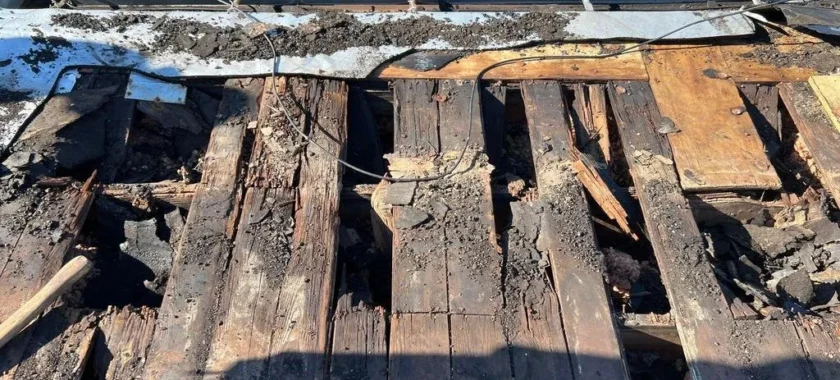
When moisture penetrates the roofing system and remains trapped for an extended period, the wood begins to absorb water. Over time, this constant exposure causes the wood fibers to weaken, decay, and eventually rot.
Rotten roof decking loses its structural strength, making it unable to support the roofing system properly. If left untreated, the damage can spread to rafters, insulation, drywall, and even your home’s interior.
Why Roof Deck Rot Is Common in Vancouver
Vancouver’s climate creates unique challenges for homeowners.
Frequent rainfall, damp winters, coastal humidity, and occasional windstorms mean that roofs experience prolonged exposure to moisture throughout the year. Even a small roof leak that seems insignificant can allow water to seep beneath shingles and remain trapped inside the roof structure.
Because roof deck rot develops slowly, many homeowners don’t notice it until a professional roof inspection in Vancouver reveals hidden damage.
Routine inspections and timely repairs are essential for protecting homes in the Lower Mainland from costly structural problems.
What Causes Roof Deck Rot?
Understanding the causes of roof deck rot is the first step toward preventing it.
Roof Leaks
Roof leaks are the leading cause of rotten roof decking.
When shingles crack, flashing separates, or sealants fail, rainwater finds its way beneath the roofing materials. Instead of drying quickly, the trapped moisture slowly saturates the wooden decking.
Even a minor leak can cause significant structural damage if ignored for several months.
Common sources of roof leaks include:
- Damaged shingles
- Missing shingles
- Cracked flashing
- Chimney leaks
- Skylight leaks
- Poor roof valleys
- Ice dam damage
Professional roof leak repair in Vancouver should always be completed as soon as leaks are discovered.
Poor Roof Ventilation
Many homeowners are surprised to learn that roof deck rot doesn’t always begin from rain.
Improper attic ventilation traps warm, humid air inside the roof cavity. When this moisture condenses on cooler wood surfaces, it gradually wets the roof decking from underneath.
Signs of poor ventilation include:
- Excess attic humidity
- Mold growth
- Musty odors
- High indoor temperatures during summer
- Frost inside the attic during winter
Proper intake and exhaust ventilation help regulate moisture and significantly reduce the risk of wood rot.
Condensation Build-Up
Condensation occurs when warm indoor air meets cold roof surfaces.
Bathrooms, kitchens, laundry rooms, and improperly vented exhaust fans release moisture into the attic. Over time, repeated condensation can soak roof decking even if the roof itself has no leaks.
This hidden moisture often causes homeowners to believe they have a roofing problem when the real issue is poor attic airflow.
Damaged or Missing Shingles
Shingles serve as your roof’s first line of defense.
When they become cracked, curled, blown away, or worn out due to age, they expose the underlayment and roof decking to rainwater.
Vancouver’s frequent storms can accelerate shingle damage, making annual inspections especially important.
Replacing damaged shingles promptly helps prevent the need for expensive roof deck rot repair later.
Aging Roofing Materials
Every roofing system has a lifespan.
As roofing materials age, they naturally lose their ability to repel moisture effectively. Sealants dry out, flashing corrodes, shingles become brittle, and waterproof barriers weaken.
Older roofs are far more likely to develop hidden leaks that eventually lead to rotten roof decking.
If your roof is nearing the end of its expected lifespan, scheduling a professional inspection is a smart investment.
Clogged Gutters
Your gutters are designed to direct rainwater safely away from your roof.
When gutters become blocked with leaves, moss, or debris, water begins pooling along the roof edge. This standing water can slowly seep beneath shingles and into the wooden roof deck.
Regular gutter cleaning is one of the simplest and most effective ways to prevent moisture damage.
Early Warning Signs of Roof Deck Rot
Roof deck rot often develops silently, but there are warning signs homeowners should never ignore.
Watch for:
- Sagging areas on the roof
- Water stains on ceilings
- Mold or mildew growth
- Soft spots when walking on the roof
- Persistent attic moisture
- Peeling interior paint
- Musty odors inside the attic
- Higher-than-normal energy bills
- Sunlight visible through the attic roof
If you notice any of these issues, schedule a professional roof inspection immediately before the damage spreads.
Why You Should Never Ignore Roof Deck Rot
Many homeowners assume a small leak can wait until the next rainy season ends.
Unfortunately, roof deck rot never stops on its own.
As moisture continues penetrating the wood, the damage expands deeper into the roof structure. What starts as a small repair can eventually require partial or complete roof replacement.
Ignoring rotten roof decking can lead to:
- Structural weakening
- Mold growth
- Interior water damage
- Reduced home value
- Increased repair costs
- Safety hazards for your family
Early intervention is always less expensive than major structural repairs.
How Professionals Inspect Roof Deck Rot
Roof deck rot is often hidden beneath shingles and underlayment, making it difficult to identify without a thorough inspection. Professional roofing contractors use a combination of visual assessments and specialized techniques to determine the extent of the damage.
During a roof inspection, experts typically check for:
- Soft or spongy areas on the roof
- Water stains in the attic
- Mold or mildew growth
- Damaged or deteriorated roof decking
- Moisture trapped beneath roofing materials
- Loose or rusted flashing
- Ventilation issues that contribute to condensation
If necessary, a roofing contractor may remove a small section of shingles to inspect the wood decking underneath. This allows them to determine whether a simple repair will solve the problem or if more extensive work is required.
How to Prevent Roof Deck Rot
Preventing roof deck rot is much easier—and far less expensive—than repairing it. With regular maintenance and timely repairs, homeowners can significantly extend the lifespan of their roofing system.
Schedule Regular Roof Inspections
Professional inspections are one of the most effective ways to catch minor issues before they become major problems.
Experts recommend having your roof inspected:
- Once every year
- After severe windstorms
- Following heavy rainfall
- After snowfall or ice buildup
- Before buying or selling a home
Routine inspections can detect hidden moisture, damaged shingles, and early signs of wood decay before costly repairs become necessary.
Repair Roof Leaks Immediately
Never ignore even a small leak.
A tiny opening can allow water to seep beneath the roofing materials and slowly damage the roof deck. Prompt repairs prevent moisture from spreading and help protect the structural integrity of your home.
If you notice water stains on ceilings or walls, contact a professional roofing contractor as soon as possible.
Keep Gutters Clean
Clogged gutters prevent rainwater from draining properly.
Instead of flowing away from your home, water backs up onto the roof, increasing the risk of leaks and wood rot.
To reduce this risk:
- Clean gutters at least twice a year.
- Remove leaves, branches, and debris.
- Check downspouts for blockages.
- Repair sagging or damaged gutter sections.
Proper drainage is essential for protecting both your roof and your home’s foundation.
Improve Attic Ventilation
Good ventilation helps regulate temperature and reduce moisture buildup inside the attic.
A properly ventilated attic:
- Prevents condensation
- Reduces humidity
- Extends the life of roofing materials
- Lowers the risk of mold growth
- Helps prevent roof deck rot
Balanced intake and exhaust vents allow fresh air to circulate, keeping the roof structure dry throughout the year.
Replace Damaged Shingles Promptly
Missing, cracked, or curling shingles leave your roof vulnerable to water intrusion.
Inspect your roof periodically for signs of damage, especially after storms or strong winds. Replacing damaged shingles early is a simple way to prevent water from reaching the roof decking.
Trim Overhanging Tree Branches
Trees growing too close to your roof can create several problems.
Overhanging branches:
- Trap moisture on the roof
- Drop leaves into gutters
- Scratch roofing materials
- Increase moss growth
- Break during storms and damage shingles
Keeping branches trimmed improves airflow and reduces the likelihood of moisture-related roof damage.
Control Moss and Algae Growth
The damp climate in Vancouver creates ideal conditions for moss and algae.
While they may seem harmless, moss retains moisture against roofing materials for extended periods. Over time, this moisture can penetrate beneath shingles and contribute to roof deck rot.
Professional roof cleaning helps remove moss safely without damaging the roofing system.
Roof Deck Repair vs. Roof Replacement
One of the most common questions homeowners ask is whether rotten roof decking can simply be repaired or if the entire roof must be replaced.
The answer depends on the extent of the damage.
Roof Repair May Be Enough If:
- Rot is limited to a small section.
- The shingles are still in good condition.
- Structural framing remains undamaged.
- The leak was detected early.
- Moisture has not spread throughout the roof.
Localized repairs are often sufficient when the damage is minor.
Roof Replacement May Be Necessary If:
- Large sections of decking have rotted.
- Multiple leaks are present.
- Roofing materials have reached the end of their lifespan.
- Structural components are compromised.
- Mold has spread extensively.
- Repairs would cost nearly as much as a replacement.
A professional inspection is the best way to determine the most cost-effective solution.
Factors That Affect Roof Deck Repair Costs
The cost of repairing roof deck rot varies depending on several factors, including:
- Size of the damaged area
- Type of roofing material
- Accessibility of the roof
- Labor costs
- Extent of moisture damage
- Need for new insulation
- Flashing replacement
- Roof pitch and complexity
Addressing problems early usually results in lower repair costs than waiting until the damage spreads.
Common Mistakes Homeowners Make
Many cases of severe roof deck rot could have been prevented by avoiding a few common mistakes.
These include:
- Ignoring small roof leaks
- Delaying roof inspections
- Skipping gutter maintenance
- Covering stains with paint instead of finding the leak
- Walking on a damaged roof without proper safety equipment
- Hiring inexperienced contractors
- Neglecting attic ventilation
- Waiting until structural damage becomes visible
Regular maintenance and professional inspections are key to avoiding these costly errors.
Long-Term Roof Maintenance Tips
A well-maintained roof lasts longer and provides better protection for your home.
To keep your roof in excellent condition:
- Inspect your roof every spring and fall.
- Clean gutters regularly.
- Remove moss and debris.
- Check flashing around chimneys and skylights.
- Watch for missing or damaged shingles.
- Ensure attic ventilation is functioning properly.
- Schedule professional roof inspections annually.
- Repair problems as soon as they appear.
These preventive measures can significantly reduce the risk of roof deck rot and help maximize the lifespan of your roofing system.
Final Thoughts
Your roof deck is one of the most important structural components of your home, yet it’s often overlooked until significant damage occurs. Because it sits beneath the roofing materials, hidden moisture can slowly weaken the wood without obvious warning signs.
Knowing what causes roof deck rot empowers homeowners to take preventive action before small issues turn into expensive repairs. Routine roof inspections, prompt leak repairs, proper attic ventilation, and regular maintenance all play a crucial role in protecting your investment.
For homeowners in Vancouver and the Lower Mainland, where heavy rainfall and high humidity are common, staying proactive is especially important. Catching moisture problems early can extend your roof’s lifespan, improve your home’s energy efficiency, and help you avoid costly structural repairs.
If you suspect roof deck rot or simply want peace of mind, don’t wait until the damage becomes visible. A professional inspection today can save you thousands in future repair costs.
Frequently Asked Questions
Can roof deck rot be repaired without replacing the entire roof?
Roof ReplacementYes. If the rot is limited to a small area and the rest of the roofing system is in good condition, a professional roofer can replace the damaged section of the roof deck without installing a completely new roof. However, extensive decay or an aging roof may require a full roof replacement.
What are the first signs of roof deck rot?
Some of the earliest warning signs include:
- Water stains on ceilings or walls
- A musty smell in the attic
- Soft or spongy areas on the roof
- Sagging roof sections
- Mold or mildew growth
- Missing or damaged shingles
- Increased indoor humidity
Scheduling a roof inspection as soon as you notice these signs can help prevent more serious structural damage.
How long does it take for roof deck rot to develop?
The timeline depends on how much moisture is present and how long it remains trapped. A persistent leak or poor attic ventilation can cause wood to deteriorate over several months or years. Regular inspections help detect problems before they become severe.
Can roof deck rot spread?
Yes. Once moisture reaches the roof deck, the decay can spread to nearby wooden components such as rafters, fascia boards, and trusses. Mold growth may also develop, increasing repair costs if the issue is left untreated.
Does homeowners insurance cover roof deck rot?
Insurance coverage depends on the cause of the damage and your policy. Sudden damage caused by a covered event, such as a windstorm, may be covered. However, damage resulting from poor maintenance or long-term neglect is typically excluded. Review your policy or speak with your insurance provider for specific details.
How can I prevent roof deck rots?
The best ways to prevent roof deck rot include:
- Schedule annual roof inspections.
- Repair leaks immediately.
- Keep gutters clean.
- Ensure proper attic ventilation.
- Replace damaged shingles promptly.
- Remove moss and debris from the roof.
- Address moisture issues before they worsen.
Call to Action
Hidden roof deck rot can weaken your home’s structure long before you notice visible signs. Whether you’ve spotted a leak, seen water stains, or simply want to ensure your roof is in top condition, the experienced team at Tymey Roofing is here to help.
We provide comprehensive roof inspections, expert leak detection, roof deck repairs, and complete roof replacement services throughout Vancouver, Coquitlam, Burnaby, Surrey, and the Lower Mainland.
Contact Tymey Roofing today to schedule a professional roof inspection and keep your home protected year-round.
Email: info@tymeyroofing.com
Website: www.tymeyroofing.com
Leave a Reply