
Introduction
Cedar roofing is a natural roofing option for homeowners who want a distinctive appearance and traditional architectural character. However, choosing cedar roofing in Coquitlam, BC, requires careful consideration of installation costs, expected lifespan, and ongoing maintenance.
Coquitlam’s wet weather, shaded properties, overhanging trees, and moss growth can affect how well a cedar roof performs over time. Understanding these factors can help homeowners make informed decisions about installation, repairs, and long-term roof care.
This guide explains what affects cedar roofing costs in Coquitlam, how long cedar shakes and shingles may last, how to maintain them, and when repairs or replacement may be necessary.
What Is Cedar Roofing?
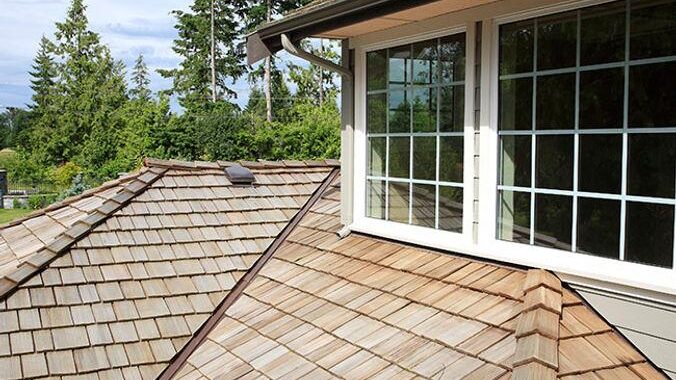
Cedar roofing is made from natural wood shakes or shingles. Both provide a distinctive wood appearance, but their manufacturing methods and finished textures differ.
Cedar Shakes
Cedar shakes are generally thicker and have a more textured appearance than standard cedar shingles. Depending on the manufacturing method, they may feature a split or rough-sawn surface that creates a rustic finish.
They can complement traditional homes, custom properties, and architectural designs that suit natural materials.
Cedar Shingles
Cedar shingles are generally sawn on both sides, producing a smoother, more uniform appearance. They are often suitable for homeowners who prefer a consistent roof finish.
The best option depends on the home’s design, roof structure, budget, and the product specifications recommended for the project.
How Much Does Cedar Roofing Cost in Coquitlam?
The cost of cedar roofing in Coquitlam depends on several factors, including roof size, material quality, roof design, installation labour, and the condition of the existing roof.
Rather than relying on a general price that may not reflect your property, request a detailed quotation from a roofing contractor who can assess the actual roof and project requirements.
Factors That Affect Cedar Roofing Costs
Roof size: Larger roofs require more cedar shakes or shingles, underlayment, flashing, fasteners, and installation labour. Roofing area is measured along the roof surface, not simply by the home’s interior floor area.
Cedar quality: Cedar products vary by grade, thickness, manufacturing method, and treatment. These differences can affect material cost, appearance, and expected performance.
Roof design and pitch: Steep slopes, dormers, valleys, chimneys, and multiple roof sections can increase installation time and safety requirements.
Existing roofing removal: Removing and disposing of old roofing materials can add to the project cost, particularly when multiple layers or difficult site conditions are involved.
Roof deck repairs: Damaged or deteriorated sheathing may need replacement before the new roofing can be installed. Flashing, underlayment, and ventilation work may also affect the final quotation.
Access and labour: Roof height, property access, landscaping, and site conditions can influence labour requirements and equipment costs.
How to Budget for a Cedar Roof
When comparing roofing quotations, ask for a breakdown of the following:
- Cedar material type, grade, and quantity.
- Installation labour.
- Removal and disposal of existing roofing.
- Underlayment and flashing.
- Roof deck repairs, if required.
- Ventilation improvements, where necessary.
- Applicable taxes and any exclusions.
A detailed quotation makes it easier to compare contractors and understand what you are paying for. Remember to consider future inspections, cleaning, and repairs when evaluating the overall cost of owning a cedar roof. For a broader understanding of roofing expenses, read our guide to roof replacement cost in Vancouver.
How Long Does a Cedar Roof Last in Coquitlam?
According to the Cedar Shake & Shingle Bureau, the average lifespan of a cedar roof is approximately 30–40 years. This is an industry estimate, not a guaranteed lifespan for every roof. Actual lifespan depends on installation quality, exposure to moisture and weather, and ongoing maintenance.
Actual performance depends on the cedar’s quality, installation, exposure to moisture, maintenance history, and surrounding trees. In Coquitlam, roofs that remain damp for extended periods may require more attention than those with good sunlight and airflow.
What Affects Cedar Roof Lifespan?
Moisture and rainfall: Cedar needs to dry between periods of wet weather. Prolonged dampness can contribute to deterioration.
Shade and tree cover: Overhanging branches reduce sunlight and airflow. Leaves, needles, and other debris can also trap moisture on the roof.
Installation quality: Correct installation, appropriate fasteners, suitable underlayment, and properly detailed roof penetrations help protect the roofing system.
Ventilation: Suitable attic ventilation and moisture control can help reduce condensation-related problems.
Maintenance: Identifying damaged shakes, deteriorating flashing, and blocked drainage paths early can help prevent avoidable damage.
Signs Your Cedar Roof May Need Repair or Replacement
Watch for these warning signs:
- Widespread splitting, curling, or deterioration of cedar shakes.
- Missing or loose roofing pieces.
- Repeated leaks or water stains on interior ceilings.
- Signs of decayed roof decking.
- Persistent moss and debris accumulation.
- Recurring repairs across multiple roof sections.
A few damaged shakes do not automatically mean the entire roof needs replacing. A professional inspection can help determine whether localised repairs are practical or whether deterioration is more widespread.
Cedar Roof Maintenance in Coquitlam's Wet Climate
Regular maintenance helps protect cedar roofing from avoidable damage. The main goals are to keep drainage paths clear, manage debris, identify developing problems, and allow the wood to dry properly.
1. Arrange Regular Roof Inspections
Have your roof inspected periodically, with additional checks after significant storms or when you notice signs of damage or leaking.
An inspection can assess the condition of the cedar, flashing, valleys, ridge areas, and other vulnerable sections. The appropriate inspection schedule depends on the roof’s age, condition, and exposure to trees and moisture.
2. Remove Leaves, Needles, and Branches
Organic debris can collect between cedar shakes and in roof valleys. When this material retains moisture, it can slow drying and contribute to deterioration.
Arrange safe, appropriate debris removal, particularly if your property has mature trees nearby. Avoid climbing onto the roof yourself because cedar surfaces can be fragile and slippery.
3. Manage Moss Growth Carefully
Moss is a common concern on damp, shaded roofs. Heavy growth can retain moisture and interfere with drainage, so it should be addressed before it causes more serious problems.
Use cleaning methods suitable for cedar roofing. Aggressive pressure washing, abrasive brushing, or unsuitable chemicals can damage the wood.
4. Keep Gutters and Downspouts Clear
Blocked gutters can prevent rainwater from draining properly. Overflowing water may damage fascia boards, exterior walls, and other parts of the property.
Inspect gutters and downspouts regularly, especially during autumn when leaves and needles accumulate. Homes surrounded by trees may need more frequent cleaning.
5. Repair Damaged Shakes and Flashing Promptly
Cracked, missing, or deteriorated cedar pieces can expose vulnerable areas to water. Flashing around chimneys, skylights, vents, and roof-to-wall junctions also requires attention.
Prompt repairs can reduce water penetration and help protect roof sheathing, insulation, and interior finishes.
6. Choose Cedar Treatments Carefully
Some cedar products may benefit from compatible preservative treatments, depending on the manufacturer’s specifications and the roof’s condition. However, treatments cannot replace proper installation, drainage, and routine maintenance.
Avoid sealing a cedar roof with an unsuitable waterproof coating. Cedar needs to dry naturally, and trapping moisture can contribute to deterioration. Consult the product manufacturer’s instructions or a qualified roofing professional before applying any treatment.
Cedar Roofing vs. Asphalt Shingles and Metal Roofing
Cedar is one of several roofing options available to Coquitlam homeowners. Comparing materials can help you choose a roof that suits your budget, preferred appearance, and maintenance expectations.
Cedar Roofing
Advantages
- Natural wood grain and distinctive appearance.
- Complements traditional and custom home designs.
- Can provide a long service life when correctly installed and maintained.
Considerations
- Requires attention to moisture, debris, and moss.
- Individual shakes can split or deteriorate over time.
- Ongoing maintenance costs should be considered.
Asphalt Shingles
Advantages
- Available in a wide range of colours and styles.
- Generally have a lower initial cost than many premium roofing systems.
- Damaged shingles can often be replaced individually.
Considerations
- Lifespan varies with product quality, installation, and weather exposure.
- Moss and debris can still affect roofs in damp, shaded locations.
Metal Roofing
Advantages
- Durable and generally requires relatively little routine maintenance.
- Available in various profiles and finishes.
- Can suit homeowners looking for long-term roofing performance.
Considerations
- Initial installation costs may be higher than those of standard asphalt shingles.
- Correct detailing and professional installation are important.
- Performance depends on the particular metal roofing system and roof design.
No roofing material is ideal for every property. Compare installation quotations, expected service life, maintenance requirements, and warranty terms before making a decision.
When Should You Repair or Replace a Cedar Roof?
The choice between repair and replacement depends on the extent of damage and the overall condition of the roofing system.
When Repairs May Be Enough
Repairs may be appropriate when damage is limited to a small number of shakes, flashing details, or isolated roof sections and the remaining roofing materials are in sound condition.
For example, replacing several damaged shakes and correcting a local flashing problem may resolve an issue without requiring a complete roof replacement.
When Replacement May Be More Practical
Replacement may be worth considering when large areas of cedar are deteriorating, leaks continue to return, or repairs are becoming frequent and extensive.
The roof deck and underlying components should also be assessed. Damage beneath the visible cedar may make a roof more difficult to repair effectively.
Get a Professional Assessment
Ask the contractor to explain the condition of the existing roofing, the likely causes of any leaks, the recommended work, and the expected benefits of each option.
Comparing the cost of continued repairs with the cost of replacement can help you make a more informed decision.
How to Choose a Cedar Roofing Contractor in Coquitlam
Cedar roofing requires suitable installation techniques and material-specific maintenance knowledge. Before hiring a contractor, consider the following:
- Experience installing and repairing cedar shakes and shingles.
- A detailed written quotation outlining materials and project scope.
- Appropriate insurance and any applicable licensing or permit requirements.
- Clear explanations of workmanship and manufacturer warranties.
- References or examples of comparable roofing projects.
- A plan for protecting the property and removing construction debris.
Do not select a contractor solely because the initial quotation is the lowest. Installation quality, material suitability, and attention to roof details can all influence long-term performance.
Frequently Asked Questions
How much does cedar roofing cost in Coquitlam?
The cost depends on roof size, cedar grade, roof complexity, labour, and the condition of the existing roof. A contractor should inspect the property and provide a written quotation for an accurate project estimate.
How long does a cedar roof last?
The Cedar Shake & Shingle Bureau gives an approximate average lifespan of 30–40 years. Actual lifespan varies according to material quality, installation, climate, exposure, and maintenance.
Does cedar roofing require regular maintenance?
Yes. Periodic inspections, debris removal, gutter cleaning, moss management, and timely repairs help protect cedar roofing. The required maintenance frequency depends on the roof’s condition and exposure to moisture and trees.
Is cedar roofing suitable for Coquitlam's rainy climate?
Cedar roofing can be suitable when the roofing system is properly designed, installed, and maintained. Persistent moisture and heavy shade can increase maintenance demands, so the property’s specific conditions should be considered.
Can moss damage a cedar roof?
Heavy moss can retain moisture and interfere with drainage. If left unmanaged, it may contribute to deterioration. Moss should be addressed using cleaning methods appropriate for cedar roofing.
Protect Your Cedar Roof with Professional Roofing Care
Cedar roofing can add natural character to a home, but its long-term performance depends on suitable materials, correct installation, and consistent maintenance. For Coquitlam homeowners, managing moisture, moss, debris, and damaged shakes can help prevent avoidable roofing problems.
If your cedar roof is leaking, showing signs of deterioration, or approaching the end of its expected service life, Tymey Roofing can help you assess its condition and understand the available repair or replacement options.
Contact Tymey Roofing to discuss your roofing concerns and arrange an assessment suited to your property’s needs.
Email: info@tymeyroofing.com
Phone Number: +1 (604) 376-5101
Website: www.tymeyroofing.com
Leave a Reply